Social media companies have fundamentally transformed how pet businesses connect with their customers. Whether you're running a dog grooming salon, a cat boarding facility, or selling handcrafted pet accessories, these platforms have become essential tools for reaching animal lovers who are ready to become loyal clients. The landscape of social media companies continues to evolve at breakneck speed, and understanding how these platforms work can make the difference between a pet business that thrives and one that struggles to find its audience.
Understanding the Social Media Landscape for Pet Businesses
The world of social media companies extends far beyond just posting cute pet photos (though those definitely help!). These platforms have developed into sophisticated marketing ecosystems where pet businesses can build communities, showcase expertise, and drive real revenue. The social media industry continues its remarkable growth trajectory, creating new opportunities for businesses willing to adapt.
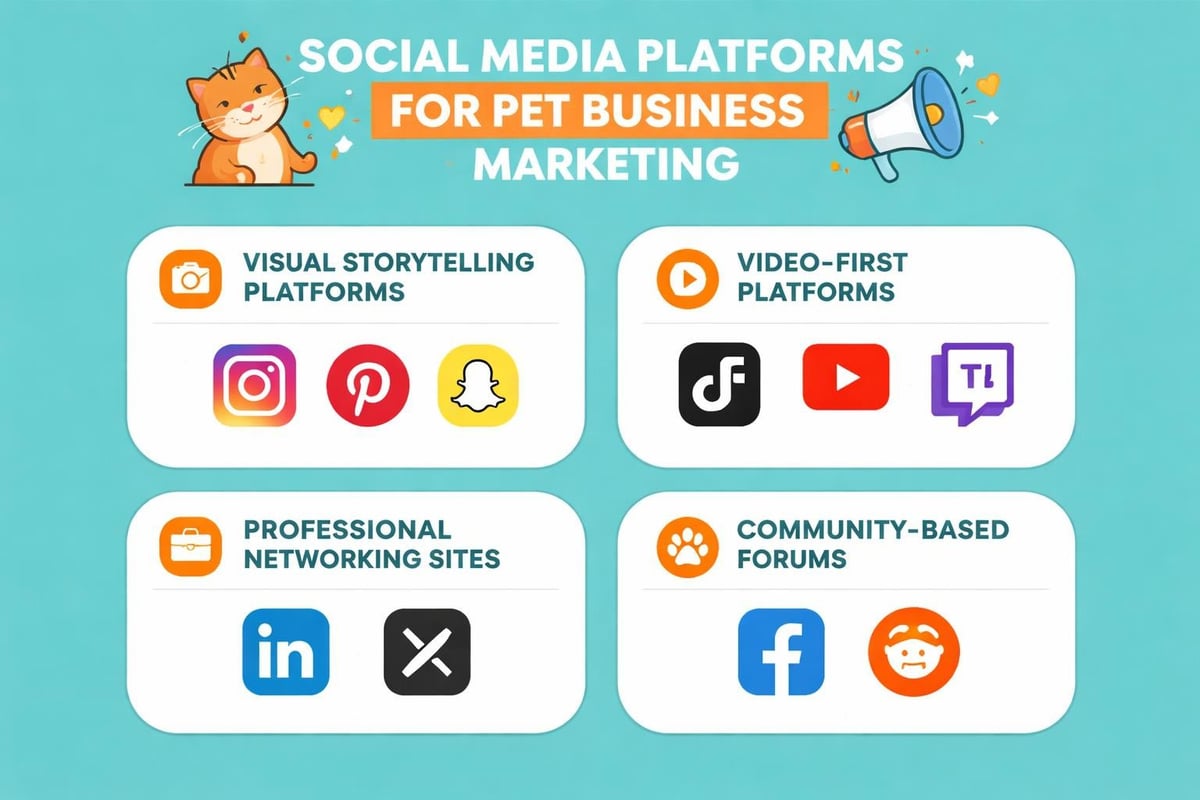
Major social media companies serve different purposes for pet businesses:
- Meta (Facebook and Instagram) – Perfect for building local communities and showcasing before/after transformations
- TikTok – Ideal for viral pet content and reaching younger pet parents
- Pinterest – Excellent for pet product businesses and DIY pet care content
- YouTube – Best for educational content and building authority
- LinkedIn – Valuable for B2B pet businesses and professional networking
Think about Bark Avenue, a fictional mobile dog grooming service in Portland. They started with just Facebook, posting occasional photos of clean pups. But when they expanded to Instagram Reels and TikTok, showing their gentle handling techniques and transformation videos, their bookings tripled within six months. That's the power of choosing the right social media companies for your specific business model.
How Social Media Companies Generate Revenue
Understanding how social media companies make money helps you work smarter, not harder. Most platforms operate on advertising models, which means they want businesses to succeed because successful businesses spend more on ads. However, they also prioritize organic content that keeps users engaged.
The business model typically includes:
- Advertising revenue – The primary income source for most platforms
- Premium subscriptions – Business tools and analytics packages
- Transaction fees – From marketplace features and shopping integrations
- Data licensing – Aggregated user behavior insights sold to researchers
For pet businesses, this means the platforms are designed to reward engaging content. A veterinary clinic sharing genuinely helpful pet health tips will get more organic reach than one that just posts promotional content. The algorithms favor content that keeps people scrolling, commenting, and sharing.
Choosing the Right Social Media Companies for Your Pet Business
Not every platform deserves your time and energy. Your resources are limited, and spreading yourself too thin across every social media company out there is a recipe for burnout. Instead, focus on where your ideal clients actually spend their time.
| Platform Type | Best For | Time Investment | ROI Potential |
|---|---|---|---|
| Visual (Instagram) | Products, grooming, training | Medium | High |
| Video (TikTok, YouTube) | Entertainment, education | High | Very High |
| Community (Facebook Groups) | Local services, support | Medium | High |
| Professional (LinkedIn) | B2B, suppliers | Low | Medium |
Consider Pawsitive Training Academy, a dog training business in suburban Chicago. They initially tried to maintain seven different social media profiles. Their content was inconsistent, engagement was low, and the owner felt overwhelmed. After focusing exclusively on Instagram for visual training tips and Facebook for their local community group, they saw better results with half the effort.
The Role of AI in Modern Social Media Companies
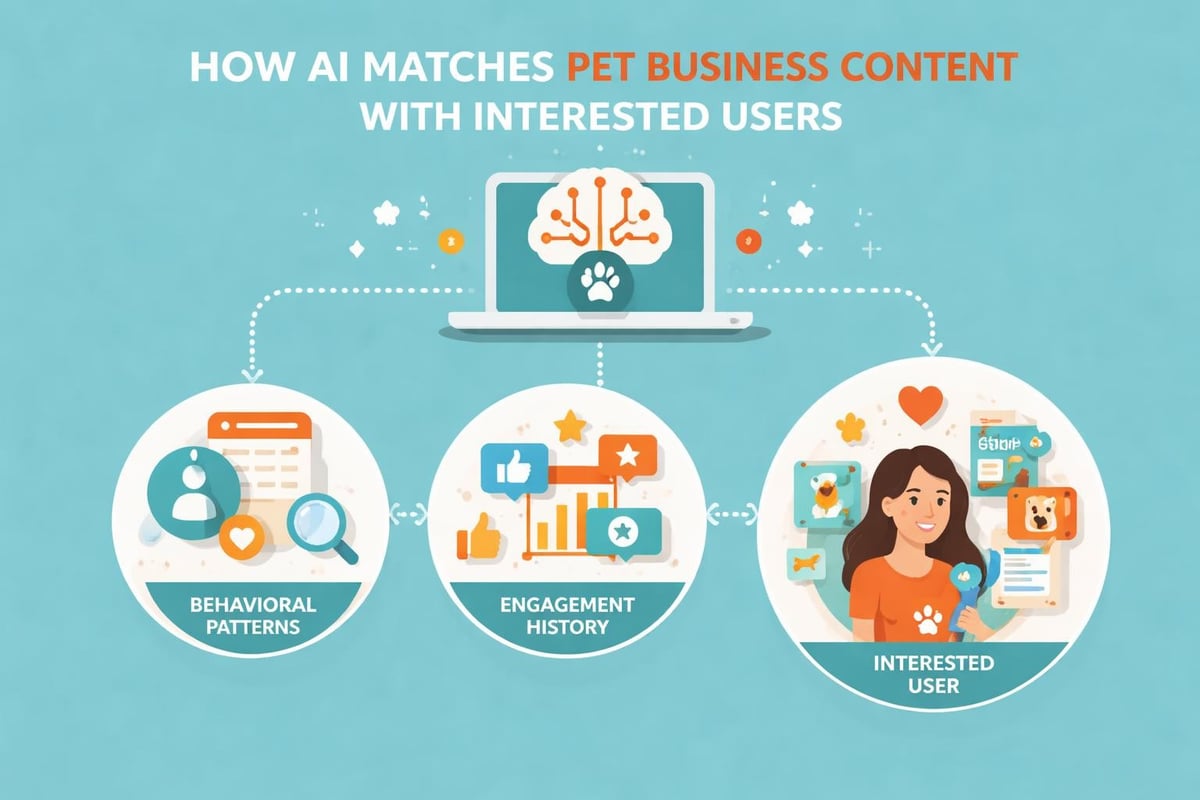
Artificial intelligence has become deeply integrated into social media platforms, fundamentally changing how content is discovered and distributed. For pet businesses, this means understanding how AI works can dramatically improve your visibility.
AI impacts your pet business through:
- Content recommendation algorithms that determine who sees your posts
- Automated caption suggestions and hashtag recommendations
- Image recognition that helps categorize your pet photos
- Customer service chatbots for handling basic inquiries
- Predictive analytics showing optimal posting times
The AI learns from user behavior. When someone consistently engages with golden retriever content, the algorithm shows them more golden retriever posts. If your pet business specializes in golden retriever grooming, this algorithmic matching becomes your best friend. The social media management market is experiencing explosive growth, largely driven by these AI innovations.
Creating Content That Works Across Social Media Companies
Different social media companies have different content preferences, but certain principles apply universally. Pet businesses have a natural advantage because animal content performs exceptionally well across all platforms. The key is adapting your core message to each platform's unique culture.
Step-by-Step Content Creation Guide for Pet Businesses
Step 1: Identify Your Core Message
What makes your pet business unique? Maybe it's fear-free veterinary techniques, eco-friendly grooming products, or specialized training for reactive dogs. This becomes your content foundation.
Step 2: Create Your Content Pillars
Organize content into 3-5 recurring themes. For a pet nutrition store, this might be:
- Product spotlights and reviews
- Pet health education
- Customer success stories
- Behind-the-scenes content
- Community engagement posts
Step 3: Adapt to Platform Specifications
Take one piece of content and modify it for different social media companies:
- Instagram: High-quality photos with story-driven captions
- TikTok: 15-60 second videos with trending sounds
- Facebook: Longer-form posts with community questions
- Pinterest: Vertical graphics with clear value propositions
Step 4: Batch Create and Schedule
Dedicate specific time blocks to content creation. Film multiple videos in one grooming session, write several educational posts at once, and schedule them throughout the week.
Step 5: Engage Authentically
Social media companies reward two-way conversations. Respond to comments, ask questions, and participate in relevant discussions beyond your own posts.
The Whisker Wonderland cat cafe in Austin exemplifies this approach. They film their weekly "Kitten Cuddle Hour" once, then create Instagram Stories, TikTok clips, YouTube compilations, and Facebook event promotions from that single content session. Smart repurposing across social media companies maximizes their limited marketing time.
Advertising on Social Media Companies
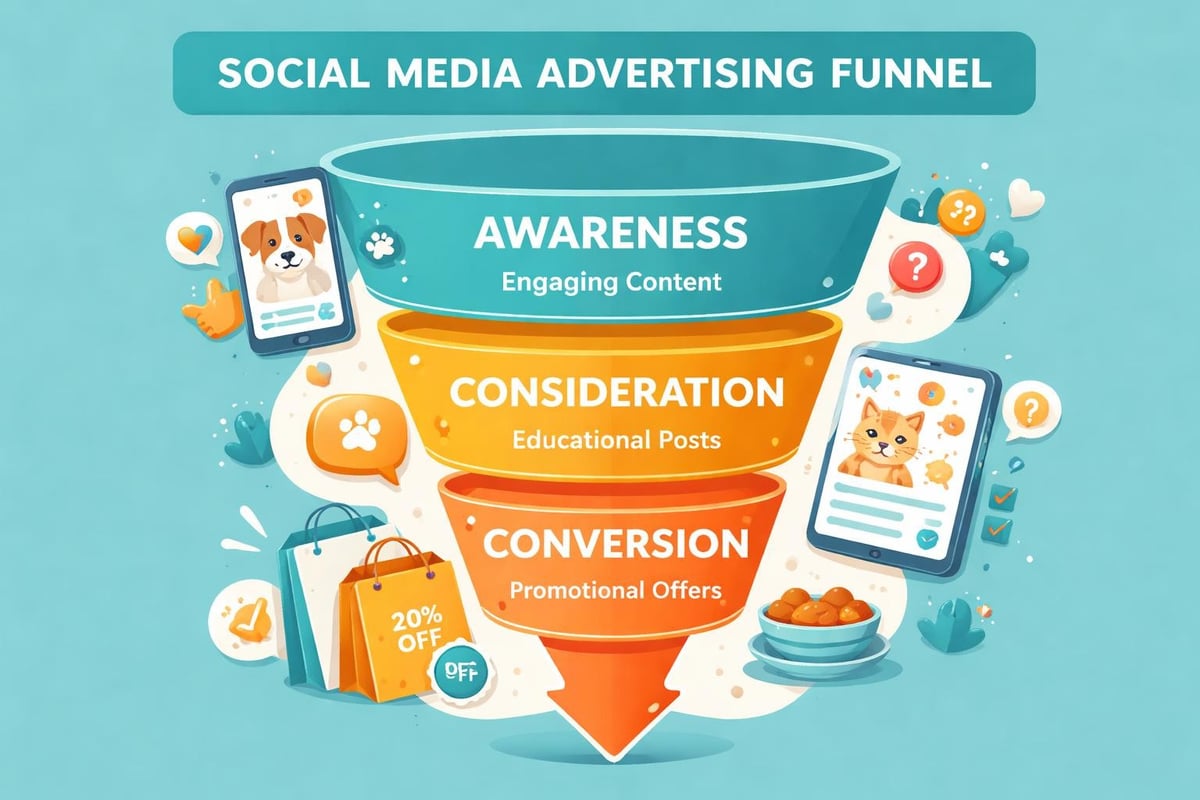
Organic reach is valuable, but paid advertising on social media companies can accelerate your pet business growth significantly. The targeting capabilities allow you to reach precisely the right pet owners at the right time.
Budget allocation recommendations for pet businesses:
| Business Type | Monthly Ad Budget | Primary Platform | Secondary Platform |
|---|---|---|---|
| Local Services | $300-$500 | ||
| Product Sales | $500-$1,000 | TikTok | |
| Online Services | $400-$800 | YouTube | |
| Premium Products | $600-$1,200 |
Start small and test. Run a $100 Facebook ad campaign promoting a special offer for new grooming clients. Target pet owners within 10 miles of your location who have shown interest in pet care. Track which ad creative, headline, and audience segment performs best, then scale what works.
Understanding Social Media Company Ad Platforms
Each platform offers different ad formats suited to various pet business goals:
- Facebook and Instagram Ads – Exceptional local targeting for service-based pet businesses
- TikTok Ads – Growing platform for reaching younger pet parents with video content
- Pinterest Ads – Ideal for pet product businesses targeting planners and shoppers
- YouTube Ads – Perfect for educational content and building brand authority
Rocky's Doggy Daycare in Denver started with just $200 monthly on Facebook ads targeting dog owners within 15 miles. They created simple video ads showing happy dogs playing, with a clear call-to-action for a free trial day. Within three months, 40% of their new clients came from these targeted ads on social media companies.
Managing Your Presence Across Social Media Companies
Juggling multiple social media companies while running a pet business can feel overwhelming. The good news is that effective social media management for pet businesses doesn't require being online 24/7. It requires smart systems and, when appropriate, the right tools from the growing social media management market.
Essential management tools for pet businesses include:
- Scheduling platforms (Buffer, Hootsuite, Later) for planning content in advance
- Canva or similar for creating professional graphics without design experience
- Analytics dashboards to track what's actually working
- Content calendars to maintain consistency across platforms
Think of social media management like running a dog daycare. You need systems, schedules, and sometimes extra help. You wouldn't try to personally supervise every single dog interaction all day, and you shouldn't try to manually post on every platform in real-time either.
Building a Sustainable Social Media Routine
Morning routine (15 minutes):
- Check notifications and respond to urgent messages
- Engage with 5-10 posts from local pet businesses and community members
- Share any time-sensitive updates or announcements
Weekly planning session (60-90 minutes):
- Review performance from previous week
- Create and schedule content for upcoming week
- Engage with your community through comments and shares
- Research trending topics in pet industry
Monthly strategy review (2-3 hours):
- Analyze metrics across all social media companies
- Adjust content strategy based on performance
- Plan promotional campaigns or special events
- Update your content calendar for next month
Pet Paradise Resort, a luxury pet boarding facility, follows this structure religiously. Their owner, Sarah, dedicates Monday mornings to scheduling the week's content across all platforms. This consistency has grown their Instagram following from 500 to 12,000 in just 18 months, with many followers becoming paying clients.
The Future of Social Media Companies and Pet Marketing
Social media companies continue evolving rapidly, and pet businesses that stay ahead of trends gain competitive advantages. Major competitors in the social media platforms market are all investing heavily in video content, social commerce, and augmented reality features.
Emerging trends shaping pet business marketing:
- Live shopping events where viewers can purchase products during live streams
- Augmented reality filters for virtual try-ons of pet accessories
- Short-form video dominance requiring quick, engaging content
- Social commerce integration allowing purchases without leaving platforms
- Community-based features replacing traditional business pages
The shift toward social commerce is particularly exciting for pet product businesses. Imagine a potential customer watching your Instagram Reel about a new dog toy, tapping a product tag, and completing their purchase without ever leaving the app. That's not future thinking, that's happening right now on social media companies.
Privacy Changes and Platform Evolution
Recent changes in data privacy regulations have affected how social media companies operate, particularly around advertising targeting. The transformation of platforms like X (formerly Twitter) shows how quickly these companies can pivot strategies.
For pet businesses, this means:
- Building first-party data through email lists and customer databases
- Creating stronger organic content as targeting becomes less precise
- Focusing on community building rather than cold audience targeting
- Diversifying platforms to avoid over-reliance on any single company
Don't put all your kibble in one bowl. The pet business that builds genuine relationships across multiple social media companies will weather platform changes better than one heavily dependent on a single channel.
Analytics and Measuring Success on Social Media Companies
Numbers don't lie, but they can definitely confuse. Social media companies provide mountains of data, but pet businesses need to focus on metrics that actually matter for their specific goals.
| Metric | What It Measures | Why Pet Businesses Care | Target Benchmark |
|---|---|---|---|
| Engagement Rate | Likes, comments, shares per post | Content resonance | 3-6% for small businesses |
| Reach | Unique accounts seeing content | Brand awareness growth | Steady monthly increase |
| Website Clicks | Traffic from social to website | Lead generation | 2-5% of followers monthly |
| Conversion Rate | Social visitors becoming customers | Direct ROI | 1-3% of website visitors |
Fluffy Friends Mobile Grooming tracks three simple metrics: appointment bookings from social media (tagged with promo codes), follower growth, and engagement rate. They ignore vanity metrics like total likes because those don't pay the bills. This focused approach helped them attribute $18,000 in revenue directly to their social media efforts in 2025.
Setting Realistic Social Media Goals
For new pet businesses (0-6 months):
- Build foundational presence on 2-3 platforms
- Reach 500-1,000 engaged followers
- Establish consistent posting schedule
- Generate first 10-20 inquiries from social media
For established businesses (6+ months):
- Grow followers by 10-20% quarterly
- Maintain 3%+ engagement rate
- Drive 15-30% of new customer inquiries from social
- Develop user-generated content pipeline
Remember that social media analytics companies exist specifically to help businesses make sense of this data, but most pet businesses can succeed with the native analytics provided by each platform plus simple tracking spreadsheets.
Navigating Challenges with Social Media Companies
Running social media for a pet business isn't always sunshine and puppy kisses. Algorithm changes, negative reviews, and platform policy updates can throw curveballs. Here's how successful pet businesses handle common challenges.
Common obstacles and solutions:
- Algorithm changes reducing reach ? Focus on creating more engaging, conversation-starting content
- Negative comments or reviews ? Respond professionally and publicly, take conversations private when needed
- Time constraints ? Batch content creation, use scheduling tools, or work with specialists like All Ears Digital
- Platform fatigue ? Reduce platforms, focus on quality over quantity
- Keeping up with trends ? Follow industry leaders, join pet business groups, allocate time for learning
The Pampered Paw Spa faced a crisis when a disgruntled customer posted a harsh review on their Facebook page. Instead of deleting it or arguing, they responded with empathy, offered to make things right, and publicly shared what they learned. That transparency turned a negative into a positive, with several commenters praising their professional response.
Staying Compliant with Platform Policies
Social media companies have specific rules about business conduct, especially for pet businesses making health or safety claims. Understanding these policies prevents account suspensions or bans.
Key compliance areas:
- Health claims – Be careful about promising medical outcomes
- Before/after photos – Ensure you have proper permissions
- Contests and giveaways – Follow platform-specific rules
- User-generated content – Always credit original creators
- Promotional guidelines – Clearly mark sponsored content
Most pet businesses navigate these rules successfully by staying honest, transparent, and focused on educating rather than making exaggerated claims. When in doubt, review the business policies for each social media company you use.
Building Community Beyond Algorithms
While social media companies control the algorithms, you control the relationships. The most successful pet businesses use these platforms to build genuine communities that transcend any single channel.
Community-building strategies that work:
- Create Facebook Groups for your clients to share pet photos and advice
- Host regular Instagram Live Q&A sessions on pet care topics
- Feature customer pets in your content regularly
- Celebrate pet birthdays and milestones with your followers
- Organize virtual or in-person meetups for your community
Canine Companions Training Studio built a Facebook Group for their training clients that grew to 3,000 members. While not all members are paying clients, the group generates consistent referrals, provides valuable feedback, and creates a supportive ecosystem around their business. This community exists regardless of what happens with Facebook's algorithm or policies.
User-Generated Content as a Growth Engine
The most powerful content on social media companies doesn't come from businesses. It comes from happy customers sharing their experiences. For pet businesses, this is pure gold.
Encourage user-generated content by:
- Creating a branded hashtag clients can use when posting about your business
- Featuring customer pets regularly in your content with proper credit
- Running photo contests with small prizes for participation
- Making sharing easy with great experiences worth talking about
- Always asking permission before reposting customer content
When Healthy Hound Pet Nutrition launched their #HappyHealthyHound hashtag, they received over 200 customer photos in the first month. They featured these on their Instagram, creating authentic social proof that outperformed any professional photography they could have commissioned.
Integrating Social Media with Broader Marketing
Social media companies are powerful tools, but they work best as part of a comprehensive marketing strategy. Your social presence should connect seamlessly with your website, email marketing campaigns, and other marketing channels.
Integration checklist for pet businesses:
- Website displays social media feeds and links prominently
- Email newsletters include social content and encourage following
- In-store or on-site signage promotes social profiles
- Business cards and print materials feature social handles
- Social media directs traffic back to website for conversions
The Feline Fancy Cat Boutique uses this integrated approach brilliantly. Their weekly email newsletter features their top Instagram posts, driving email subscribers to social media. Their Instagram bio links to specific product pages, not just their homepage. Their in-store checkout area has a photo backdrop with their social handles, encouraging customers to post and tag them. Every channel supports the others.
Social media companies offer incredible opportunities for pet businesses to connect with their ideal clients, build communities, and grow revenue through strategic marketing efforts. By choosing the right platforms, creating authentic content, and maintaining consistent engagement, your pet business can thrive in this digital landscape. If managing your social media presence feels overwhelming or you're ready to take your pet business marketing to the next level, All Ears Digital specializes in helping pet businesses like yours navigate the ever-changing world of social media marketing with strategies that actually work.