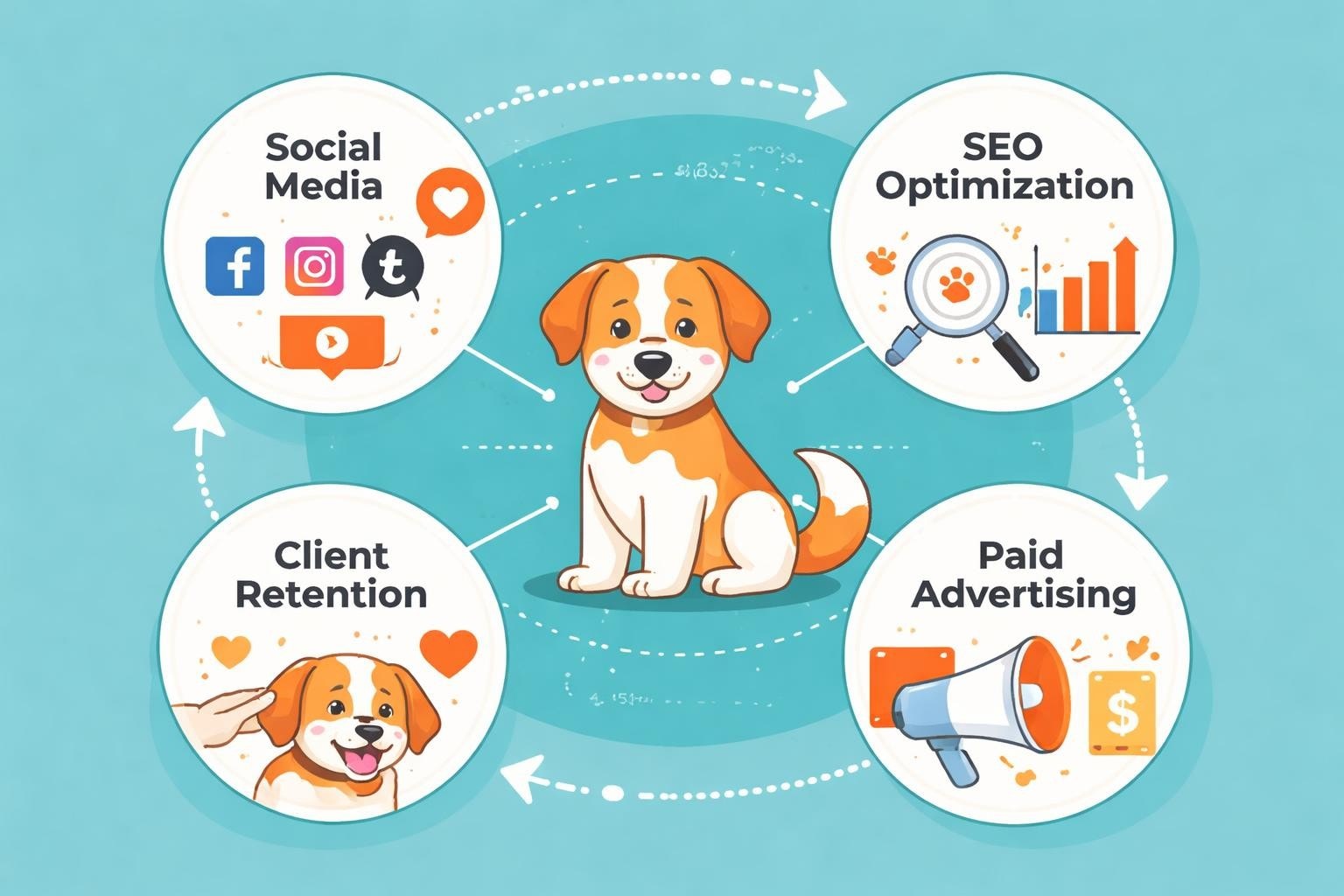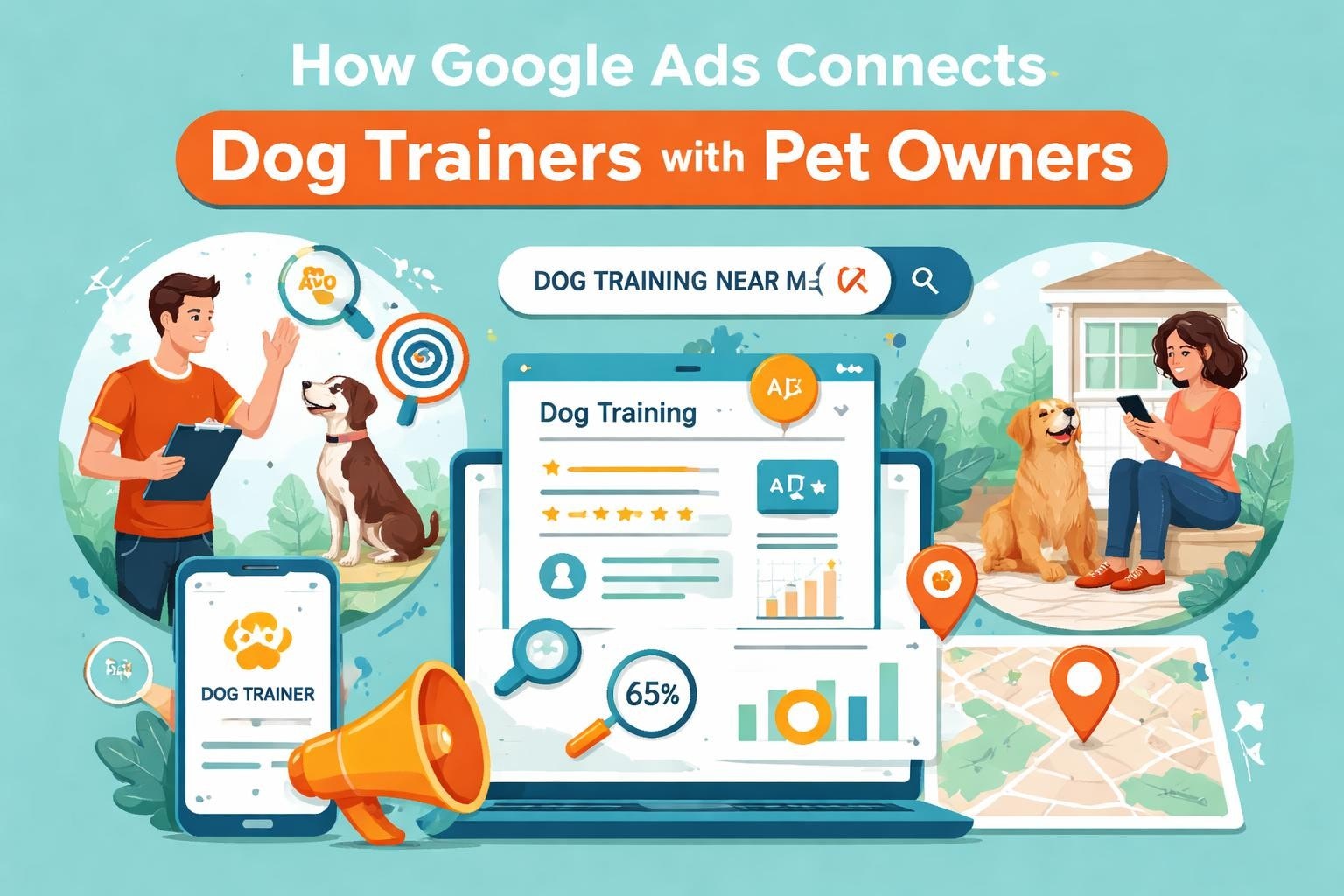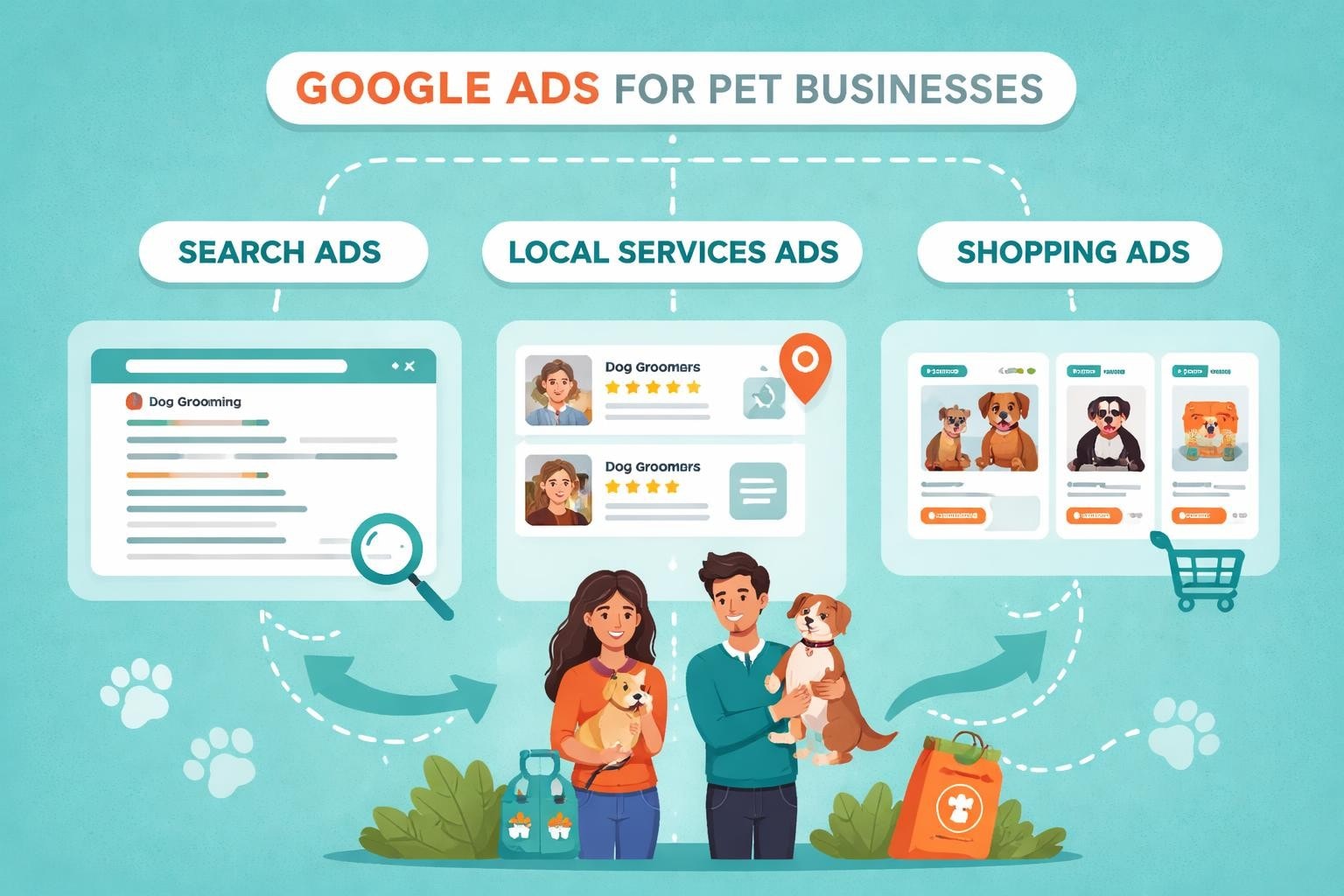
If you own a pet grooming salon, boarding facility, or veterinary clinic, you already know that standing out in today's crowded market takes more than just loving animals. The pet industry is booming, and with that growth comes increased competition. That's where smart marketing for pet businesses becomes essential. Whether you're just starting out or looking to scale your existing business, the right marketing strategies can help you attract the perfect clients, build lasting relationships, and grow sustainably. Let's dive into the tactics that actually work in 2026.
Understanding Your Pet Business Audience
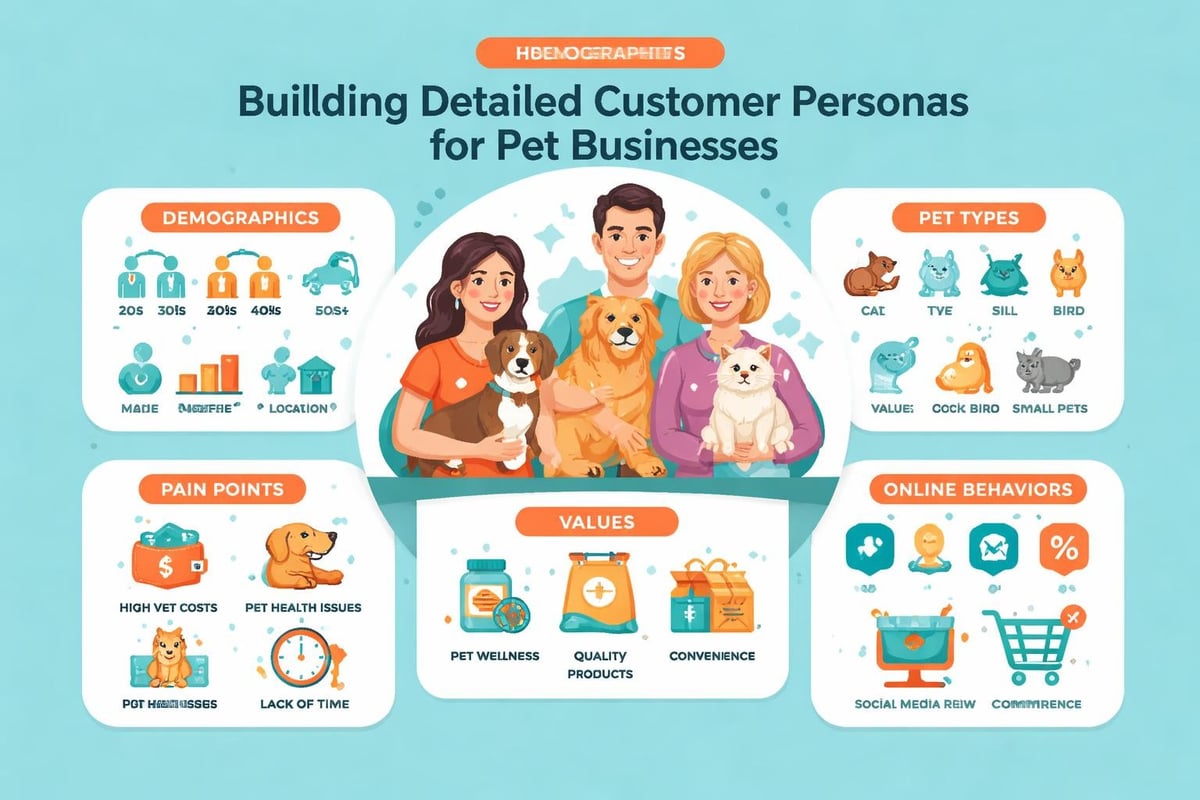
Before you invest a single dollar in marketing, you need to know exactly who you're talking to. Pet owners are passionate, protective, and willing to spend serious money on their furry family members. But not all pet owners are the same.
Think about it: the person looking for luxury cat boarding with webcam access has different priorities than someone seeking affordable puppy training classes. Your ideal client might be a busy professional who needs dog walking services, or a new pet parent researching veterinary clinics for the first time.
Creating Your Customer Persona
Start by asking yourself these questions about your ideal client:
- What's their age range and household income?
- Do they have dogs, cats, or other pets?
- What problems are they trying to solve?
- Where do they spend time online?
- What values matter most to them (convenience, quality, price)?
Once you understand your audience, you can create marketing campaigns that genuinely resonate with their needs and concerns. A mobile grooming business targeting elderly pet owners will use completely different messaging than a high-energy doggy daycare aimed at young professionals.
Building a Strong Online Presence
Your website is often the first impression potential clients have of your pet business. If it loads slowly, looks outdated, or doesn't work on mobile devices, you're losing customers before they even meet you.
Essential Website Elements for Pet Businesses
Here's what your website absolutely must have:
- Clear service descriptions with pricing information
- High-quality photos of your facility, staff, and happy pets
- Online booking or contact forms that work seamlessly
- Client testimonials and reviews prominently displayed
- Mobile-responsive design that looks great on phones
- Fast loading speeds (under 3 seconds)
Think about Pawsitive Pets, a dog training business in Austin, Texas. They redesigned their website to include video testimonials from actual clients and their well-behaved dogs. Within three months, their inquiry rate doubled simply because potential clients could see real results.
Beyond your website, claim and optimize your Google Business Profile. This free tool is crucial for local SEO and visibility when pet owners search for services near them.
Social Media Marketing That Connects
Let's be honest: pet content basically runs the internet. Dogs in bandanas, cats in boxes, bunnies doing zoomies-people can't get enough. This is your advantage as a pet business owner.
Social media marketing for pet businesses isn't just about posting cute pictures (though that helps). It's about building a community and establishing trust with potential clients.
Platform-Specific Strategies
| Platform | Best For | Content Types | Posting Frequency |
|---|---|---|---|
| Visual storytelling | Before/after photos, Reels, Stories | 4-5 times/week | |
| Community building | Events, live videos, customer posts | 3-4 times/week | |
| TikTok | Reaching younger pet parents | Entertaining short videos | 5-7 times/week |
| B2B pet services | Industry insights, networking | 2-3 times/week |
The key is consistency. Pick one or two platforms where your ideal clients actually spend time, and commit to showing up regularly. A local pet store in Denver grew their Instagram following from 200 to 5,000 in one year by posting daily "pet of the day" features showcasing customers' animals. They turned their customers into content creators and their followers into a engaged community.
Content Ideas That Actually Work
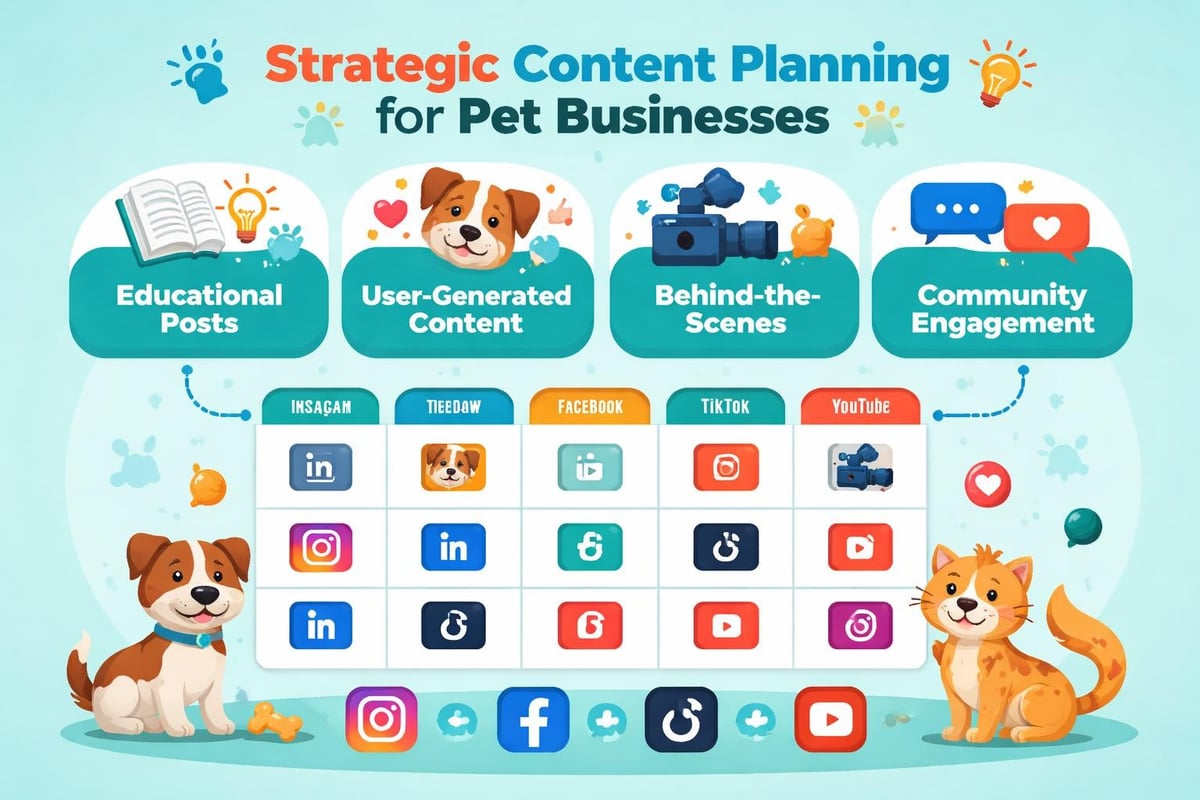
- Behind-the-scenes content: Show your grooming process, introduce your team, tour your facility
- Educational posts: Share pet care tips, seasonal advice, health information
- User-generated content: Repost photos and videos from your happy clients
- Interactive content: Polls, questions, contests, and giveaways
- Success stories: Share transformation stories or client testimonials
Email Marketing That Drives Repeat Business
Don't underestimate the power of a well-crafted email. While social media platforms come and go, your email list is something you own and control. Marketing for pet businesses should always include building and nurturing an email list.
Building Your Email List
Start collecting email addresses at every touchpoint:
- Offer a discount for first-time clients who sign up
- Create a downloadable guide (like "10 Questions to Ask Your Dog Trainer")
- Add a signup form to your checkout process
- Include a newsletter signup on your website
- Host events and collect emails at registration
Once you have subscribers, send them valuable content regularly. A veterinary clinic might send monthly pet health tips, while a pet supply store could share new product announcements and exclusive discounts.
Segment your list based on pet type, service history, or interests. Someone who books regular grooming appointments wants different information than someone who only visited once for a nail trim.
Local Marketing and Community Engagement
Pet businesses thrive on local connections. Your best customers probably live within a few miles of your location, so focus your marketing efforts where they'll have the biggest impact.
Community Partnership Strategies
- Partner with complementary businesses: Veterinarians can partner with groomers, pet stores can collaborate with trainers
- Sponsor local pet events: Dog walks, adoption fairs, or community festivals
- Host workshops or classes: Free puppy socialization hours, pet first aid classes, or grooming demos
- Create referral programs: Reward existing clients for bringing in new customers
- Support local shelters: Donate services or products and build goodwill in your community
One mobile pet grooming service in Seattle partnered with three local veterinary clinics. They left business cards and special discount flyers in the waiting rooms, and in return, they referred clients to those vets for medical needs. This collaborative approach created a win-win situation that benefited all businesses involved.
Paid Advertising for Faster Growth
Organic marketing takes time to build momentum. If you need faster results or want to scale more quickly, paid advertising can deliver targeted traffic and qualified leads.
Google Ads for Pet Businesses
When someone searches "dog boarding near me" or "emergency vet open now," you want your business to appear at the top of search results. Google Ads allows you to bid on keywords relevant to your services and appear prominently when potential clients are actively searching.
Steps to launch your first Google Ads campaign:
- Research keywords related to your services and location
- Set a realistic daily budget (start with $20-50/day)
- Create compelling ad copy that highlights your unique benefits
- Design a dedicated landing page for ad traffic
- Track conversions and adjust based on performance
- Test different ad variations to improve results
A pet sitting service in Portland ran Google Ads targeting "last-minute dog sitter" and "cat sitting this weekend." They focused on their quick response times and flexible availability. Within the first month, they acquired 15 new clients at a cost of about $30 per customer-customers who then became repeat clients worth hundreds of dollars each.
Social Media Advertising
Facebook and Instagram ads offer incredibly precise targeting options. You can reach pet owners based on:
- Location (down to specific zip codes)
- Pet ownership and pet type
- Interests and behaviors
- Demographics like age, income, and household composition
- Lookalike audiences based on your existing customers
The visual nature of these platforms works perfectly for pet businesses. Show adorable pets enjoying your services, happy clients sharing testimonials, or behind-the-scenes glimpses of your facility.
Search Engine Optimization Fundamentals
SEO might sound technical and intimidating, but it's simply about making it easy for people to find your business when they search online. Effective marketing for pet businesses in 2026 requires a solid SEO foundation.
Local SEO Tactics
Since most pet services are location-based, local SEO should be your priority:
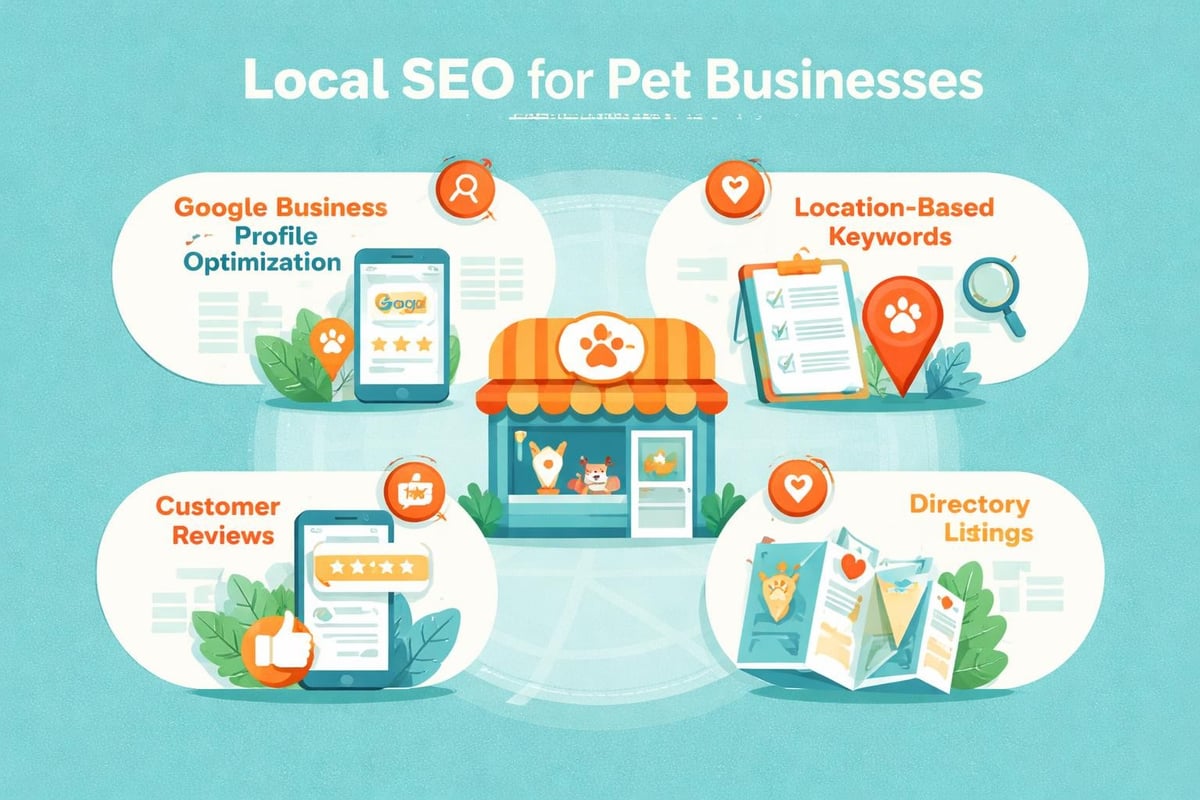
- Include your city and neighborhood in website content naturally
- Create location-specific service pages if you serve multiple areas
- Get listed in local directories and pet-specific platforms
- Encourage happy clients to leave Google reviews
- Build local backlinks from community websites and partners
- Optimize your Google Business Profile completely
Beyond local SEO, create valuable content that answers questions your potential clients are asking. A dog training business might write blog posts about "how to stop puppy biting" or "best commands to teach first." When people find your helpful content, they begin to trust you as an expert.
Content Marketing and Storytelling
People don't just buy pet services-they buy from people they trust. Content marketing helps you build that trust by demonstrating your expertise and sharing your values.
Types of Content to Create
Blog posts address common questions and concerns your clients have. They also help with SEO and position you as a knowledgeable resource. If you need help creating consistent, quality content, working with a content marketing manager can streamline your efforts.
Video content performs exceptionally well for pet businesses. Create tutorials, facility tours, meet-the-team videos, or day-in-the-life content. Video doesn't need to be professionally produced-authentic, helpful content often performs better than polished commercials.
Case studies and success stories show real results. Document a dog's transformation through training, share a before-and-after grooming story, or highlight how your specialized nutrition program improved a cat's health.
Educational resources like downloadable guides, checklists, or infographics provide value while capturing email addresses for future marketing.
Leveraging Customer Reviews and Testimonials
In the pet industry, trust is everything. Pet owners are entrusting you with their beloved family members, so they're going to do their research. Reviews and testimonials are some of the most powerful marketing tools you have.
Getting More Reviews
- Ask happy clients directly (right after a positive experience)
- Send follow-up emails with review links
- Make it easy with direct links to Google, Yelp, or Facebook
- Respond to all reviews, both positive and negative
- Display reviews prominently on your website and social media
According to research, pet owners heavily rely on reviews when choosing service providers. A business with 50+ positive reviews has a significant advantage over one with just a handful.
When you receive negative reviews (and you will eventually), respond professionally and constructively. How you handle criticism tells potential clients a lot about your character and customer service approach.
Retention Marketing and Loyalty Programs
Acquiring new customers costs significantly more than keeping existing ones. Smart marketing for pet businesses focuses not just on attraction but on retention.
Building Client Loyalty
Loyalty programs reward repeat business. Offer a free grooming session after 10 visits, discounts for regular clients, or points toward future purchases. A doggy daycare in Chicago implemented a simple punch card system offering every 10th day free. Their client retention rate increased by 40%.
Membership programs provide predictable revenue and client commitment. Monthly wellness plans, unlimited daycare subscriptions, or VIP grooming memberships give clients value while ensuring they stay with your business.
Personalized communication makes clients feel special. Remember birthdays (both pets and owners), send holiday cards, and check in after services. A simple "How is Bella doing after her grooming?" text message builds relationships.
Special events for existing clients strengthen community bonds. Host client appreciation days, pet photo sessions, or exclusive workshops. These community-focused strategies turn clients into brand advocates who actively refer friends and family.
Tracking and Measuring Marketing Success
You can't improve what you don't measure. Every marketing dollar you spend should be tracked so you understand what's working and what's not.
Key Metrics to Monitor
| Metric | What It Measures | Why It Matters |
|---|---|---|
| Website Traffic | Number of visitors | Shows if awareness is growing |
| Conversion Rate | Visitors who become clients | Indicates website effectiveness |
| Cost Per Acquisition | Money spent to gain one client | Determines campaign profitability |
| Customer Lifetime Value | Total revenue per client | Helps set acquisition budgets |
| Email Open Rate | Percentage who open emails | Shows engagement with content |
| Social Media Engagement | Likes, comments, shares | Measures content resonance |
Use tools like Google Analytics for website data, social media platform insights, and email marketing software reports. Review these metrics monthly and adjust your strategies based on what the data tells you.
A pet supply store discovered through tracking that their Instagram ads generated three times more revenue than Facebook ads, even though Facebook had more clicks. They reallocated their budget accordingly and saw a 35% increase in overall ad performance.
Staying Current with Industry Trends
The pet industry evolves constantly, with new trends emerging every year. Smart marketing for pet businesses means staying aware of these shifts and adapting accordingly.
Recent trends influencing pet business marketing include:
- Increased focus on pet wellness and preventive care
- Growing demand for sustainable and eco-friendly products
- Rise of specialized diets and personalized nutrition
- Technology integration (apps, webcams, GPS tracking)
- Premium and luxury pet services expansion
Position your business to capitalize on these trends. If you notice clients asking about natural grooming products, source eco-friendly options and market them specifically. When you see interest in specialized services, consider how you might fill that niche in your community.
Creating a Marketing Calendar
Consistency matters more than perfection in marketing. A marketing calendar helps you plan content, campaigns, and promotions around key dates and seasons.
Important Dates for Pet Businesses
Seasonal opportunities:
- January: New Year's resolutions (training programs, wellness plans)
- February: National Pet Dental Health Month
- April: National Pet Day
- May: Memorial Day promotions
- August: National Dog Day, back-to-school (daycare enrollment)
- October: Halloween costume contests, National Cat Day
- November/December: Holiday boarding, gift certificates
Plan your content and campaigns at least one month in advance. This gives you time to create quality materials rather than scrambling at the last minute.
A boarding facility planned their entire holiday season in August, creating email campaigns, social media content, and booking incentives well before their busy period. They reached capacity two weeks earlier than the previous year because they marketed proactively.
Collaborating with Influencers and Brand Ambassadors
Influencer marketing isn't just for big corporations. Local pet influencers or micro-influencers with engaged followings can introduce your business to new audiences authentically.
Look for pet accounts in your area with 1,000-10,000 followers who have high engagement rates. These smaller accounts often have more loyal, local audiences than massive national accounts. Offer complimentary services in exchange for honest reviews and social media posts.
You can also create your own brand ambassadors from existing clients. Identify customers who already love your business and have social media presence. Offer them incentives for regularly sharing content about your services.
Growing a pet business in 2026 requires a multi-faceted approach that combines digital marketing, community engagement, and authentic relationship building. From optimizing your online presence to creating loyalty programs that keep clients coming back, these strategies work together to build sustainable growth. If you're ready to take your pet business marketing to the next level, All Ears Digital specializes in helping pet businesses just like yours attract the right clients and grow strategically through tailored marketing solutions including SEO, social media management, and website design.