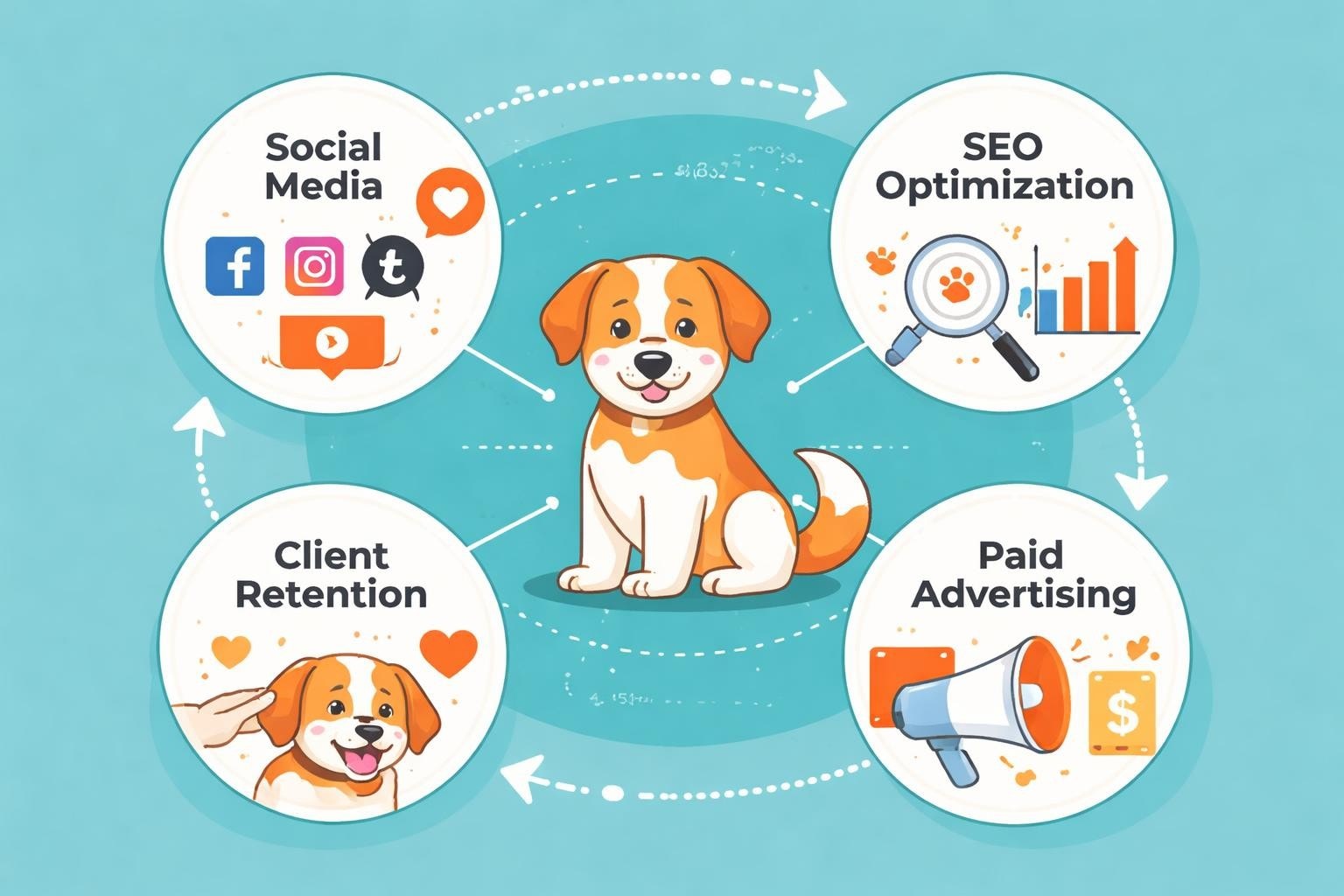
In 2026, standing out in a crowded marketplace is tougher than ever. Every pet business, from dog groomers to cat cafés, needs a marketing program that's not just up-to-date but ready for the future.
This complete guide will walk you through each essential step, whether you're just starting out or looking to level up your efforts. You'll learn how to set the right objectives, truly understand your audience, analyze the competition, craft a winning strategy, make the most of digital channels, measure what matters, and keep adapting for ongoing success.
The marketing landscape is changing fast. A structured, data-driven approach is key to growth and ROI. Ready to transform your results? Dive in and let's future-proof your marketing together.
Understanding the Foundations of a Modern Marketing Program
In 2026, building a successful marketing program means knowing exactly what you’re working with from the ground up. Whether you run a local pet grooming shop or a national pet supply brand, your foundation determines how high you can climb. Let’s break down what makes a modern marketing program tick, why it matters, and how to sidestep the biggest mistakes along the way.
What is a Marketing Program?
A marketing program is a comprehensive plan that aligns all your marketing activities with your business goals. Think of it as your business’s GPS—it keeps you moving in the right direction, even when the landscape shifts.
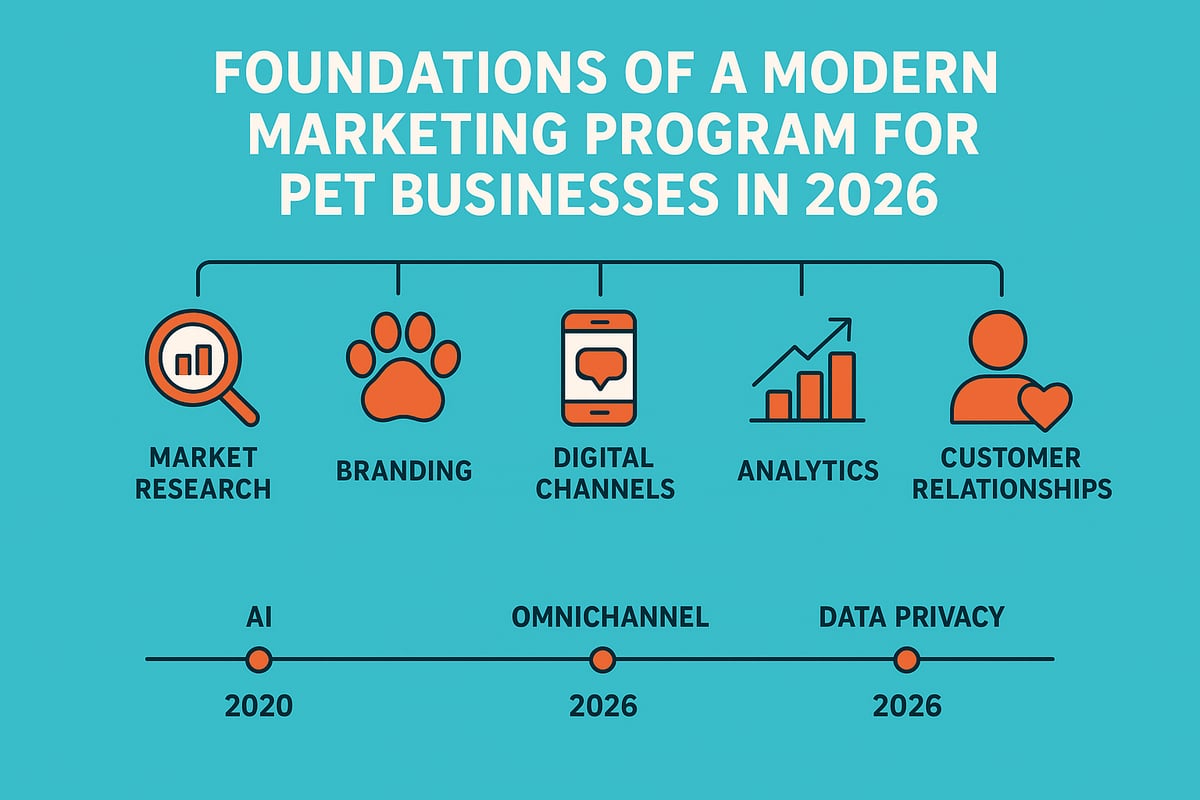
A strong marketing program covers everything from market research and branding to digital outreach and customer relationship management. For instance, a pet grooming business might use email newsletters to promote seasonal deals, social media for cute before-and-after pet photos, and local SEO to attract new dog parents searching for “pet grooming near me.” The magic happens when these parts work together toward a common goal.
Key Components of a Successful Program
Every thriving marketing program has a few essential ingredients. Here’s what you’ll find in the best ones:
- Thorough market research to understand trends and customer needs
- Detailed buyer personas, so you know who you’re targeting
- Competitive analysis to see how you stack up
- Smart channel selection: email, social media, paid ads, local events, content, and more
- Clear measurement tools, like KPIs and analytics dashboards
For a pet supply store, this might mean tracking which products sell best online, running Instagram polls to gather feedback, and using email to announce new arrivals. When you have all these pieces in place, your marketing program becomes a well-oiled machine.
The Evolution of Marketing Programs (2020-2026)
Marketing has changed more in the last six years than in the previous decade. Today’s marketing program is more omnichannel and data-driven than ever before. AI-driven personalization lets you send targeted messages—like birthday coupons for a customer’s dog—while stricter data privacy rules keep you honest and ethical.
For example, pet care businesses now routinely use SMS and WhatsApp reminders for appointments, something unheard of just a few years ago. If you want to dive deeper into how AI and omnichannel strategies are shaping modern programs, check out this Digital Marketing Strategy in 2026 resource. Staying current with these advances ensures your marketing program isn’t left behind.
Why a Strategic Approach Matters
Winging it rarely works in marketing. A strategic marketing program ensures every campaign, post, and email supports your business objectives. This alignment maximizes your budget and delivers measurable ROI—a must for small pet businesses and large brands alike.
A strategic approach also builds trust. When customers see consistent messaging and reliable service, they’re more likely to become repeat clients. Over time, this loyalty transforms your marketing program into a true growth engine.
Common Pitfalls to Avoid
Even the best plans can go sideways if you’re not careful. Watch out for these common marketing program mistakes:
- Setting vague goals or skipping audience research
- Ignoring what competitors are doing or missing out on new trends
- Underusing analytics or failing to learn from customer feedback
Let’s say a pet daycare doesn’t track which ads bring in the most bookings. They’ll waste money and miss growth opportunities. Avoiding these pitfalls keeps your marketing program focused, nimble, and effective.
Step 1: Setting Clear Business and Marketing Objectives
Setting the right objectives is the backbone of any successful marketing program. Without a clear destination, it is easy to get lost in the daily shuffle of social posts and ad spend. Let us walk through how to ground your marketing program in goals that will actually move the needle for your pet business.
Aligning Marketing Goals with Business Vision
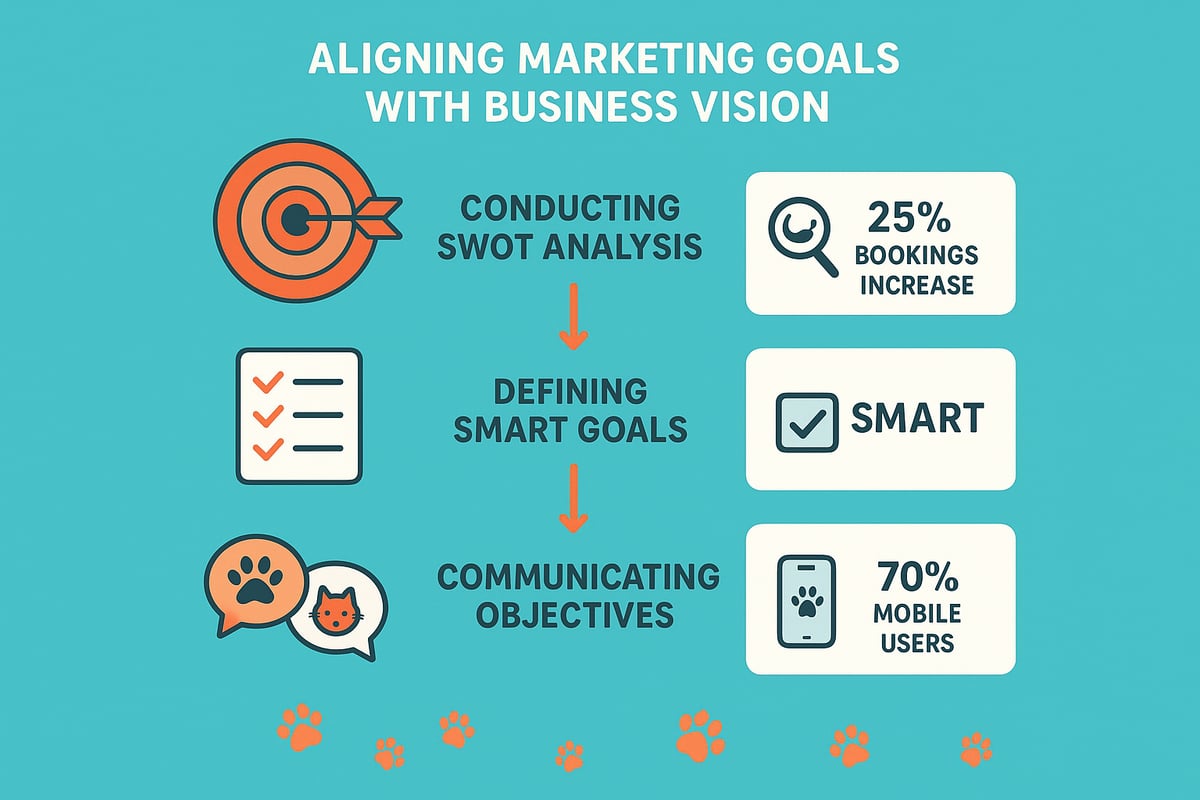
A marketing program must always tie back to your overall business vision. Think of it as plotting a route on your GPS before you hit the road. For example, if your dog daycare wants to boost monthly bookings by 25 percent in 2026, your marketing goals should reflect this ambition.
Here is how you can align your marketing program with your business vision:
- Pinpoint your core business objectives (e.g., growth, retention, brand awareness)
- Translate these into specific marketing goals
- Prioritize based on impact and feasibility
When your marketing program is in sync with your business vision, every campaign feels purposeful. You are not just posting cute puppy photos, you are driving real results.
Conducting a SWOT Analysis
Before diving into tactics, pause and take a 360-degree look at your pet business with a SWOT analysis. This tool helps you identify strengths, weaknesses, opportunities, and threats, so your marketing program is built on solid ground.
Here is what to include in your SWOT:
- Strengths: What sets you apart? (e.g., trusted local partnerships)
- Weaknesses: Where do you struggle? (e.g., limited social reach)
- Opportunities: What trends can you ride? (e.g., mobile booking apps)
- Threats: What could block your growth? (e.g., national competitors)
For inspiration, check out this competitor analysis in the pet industry to see how other businesses uncover market shifts and gaps. A strong SWOT analysis ensures your marketing program is proactive, not reactive.
Defining SMART Marketing Goals
Generic goals like "get more customers" will not cut it in 2026. Your marketing program needs SMART goals: Specific, Measurable, Achievable, Relevant, and Time-bound.
Let us break it down:
| SMART Criteria | Example for Pet Bakery |
|---|---|
| Specific | Grow Instagram followers |
| Measurable | By 40 percent |
| Achievable | With planned campaigns |
| Relevant | Targets pet lovers |
| Time-bound | In six months |
A SMART goal could be: "Increase Instagram followers by 40 percent in six months by sharing weekly treat recipes." This clarity keeps your marketing program focused and accountable.
Communicating Objectives to Your Team
A marketing program only works if everyone is rowing in the same direction. Communicate your objectives clearly across all departments.
Tips for seamless communication:
- Share goals in team meetings and digital dashboards
- Assign ownership for each objective
- Host regular check-ins to track progress
- Encourage feedback and celebrate wins
For a pet supply store, this might mean weekly standups to review goal progress or a shared calendar for campaign launches. When your team understands and believes in the marketing program, success follows naturally.
Step 2: Identifying and Understanding Your Target Audience
Knowing who you are marketing to is the backbone of every effective marketing program. If you want to fetch real results, you need to dig deep into your audience's world, not just guess who might buy from you. Let’s break down how to truly understand your target audience in 2026, so your marketing program never chases its own tail.
Creating Detailed Buyer Personas
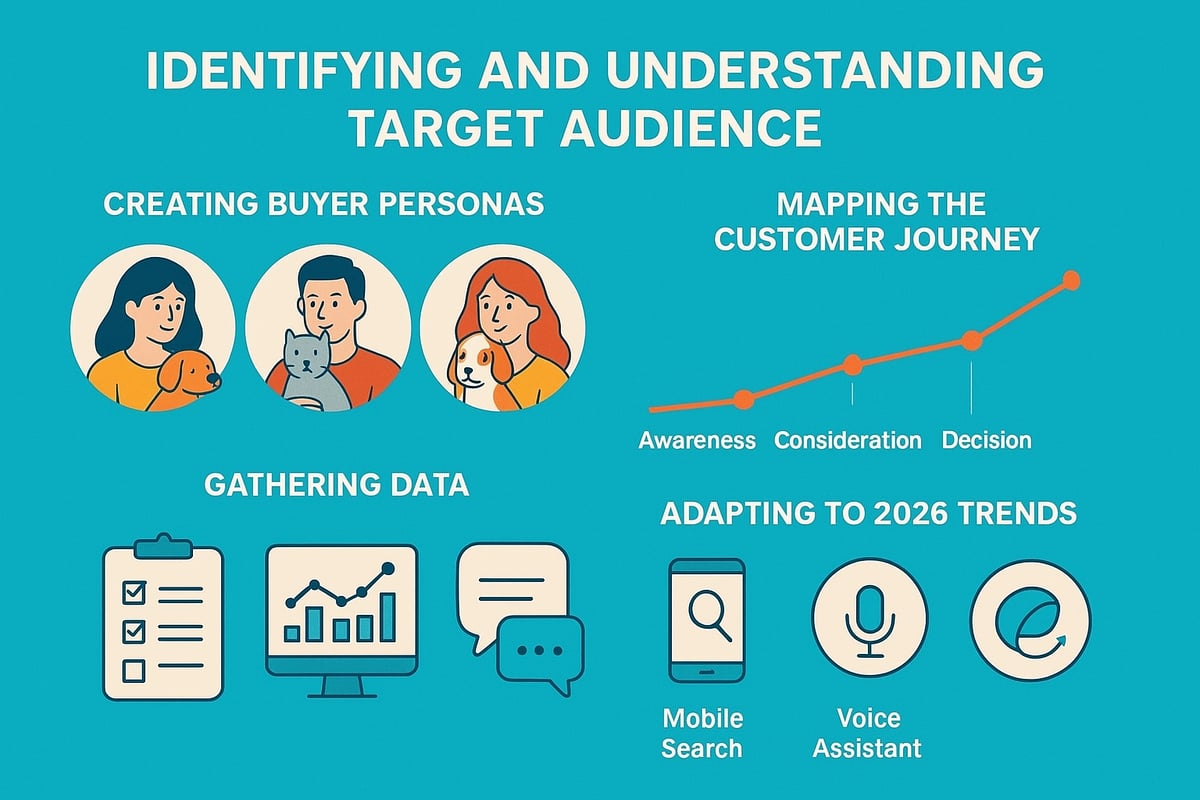
A successful marketing program starts with clear, detailed buyer personas. Think of these as character profiles for your ideal customers. Go beyond basics like age or income—uncover their values, habits, and what makes them tick.
Here’s how to build a persona:
- List key demographics: age, gender, income, location.
- Add psychographics: attitudes, values, lifestyle, pet ownership habits.
- Identify pain points: what problems does your business solve?
- Example: Meet “Busy Urban Dog Owner,” aged 30 to 45, juggling a demanding job and city life, craving convenience and reliable pet care.
This process isn’t just for show. A pet grooming business, for example, can use personas to tailor services and messaging, ensuring its marketing program connects authentically with real customers.
Mapping the Customer Journey
Understanding how your audience interacts with your business is crucial for your marketing program. The customer journey maps out every step from first discovery to loyal repeat customer.
Let’s look at the four main stages:
| Journey Stage | Example Action |
|---|---|
| Awareness | Finds a pet trainer via Instagram |
| Consideration | Reads reviews and compares trainers |
| Decision | Books a class online |
| Loyalty | Recommends the trainer to friends |
By mapping these stages, you can spot where your marketing program needs to shine. For instance, if most bookings come after reading reviews, focus on gathering more positive testimonials and making them visible.
Gathering Data: Surveys, Analytics, Social Listening
To guide your marketing program with real insights, you’ll need to gather data at every step. No more guesswork—let the numbers and feedback lead you.
Essential data sources:
- Surveys: Ask customers why they chose your pet daycare or what services they’d like to see.
- Analytics: Use Google Analytics and Facebook Insights to see which blog posts or ads drive the most bookings.
- Social Listening: Monitor comments and tags to find out what people say about your brand and competitors.
A dog boarding business, for example, might discover that posts about pet safety bring in the most web traffic. For a deeper dive into industry-specific strategies, check out this Guide to marketing for veterinarians for real-world approaches to data-driven marketing.
Adapting to Changing Consumer Behavior in 2026
Your marketing program must keep pace with how people research and buy in 2026. The way pet owners find services has changed—and so should your approach.
Key trends for 2026:
- Mobile-first: 70% of pet owners now research services on their phones before buying.
- Voice search: More people ask Alexa or Siri for “best dog groomer near me.”
- Sustainability: Eco-conscious choices matter—show off your green credentials.
- Instant action: Customers expect immediate booking and fast responses.
Stay alert to these shifts. Regularly update your marketing program to match how your audience behaves, or risk losing them to savvier competitors.
Step 3: Conducting Competitor and Market Analysis
Understanding your competition is a must for any marketing program. Whether you run a pet grooming salon, dog daycare, or a boutique pet bakery, analyzing the market helps you stay ahead. Let’s break down how to size up your competition and spot the best opportunities for your business.
Identifying Direct and Indirect Competitors
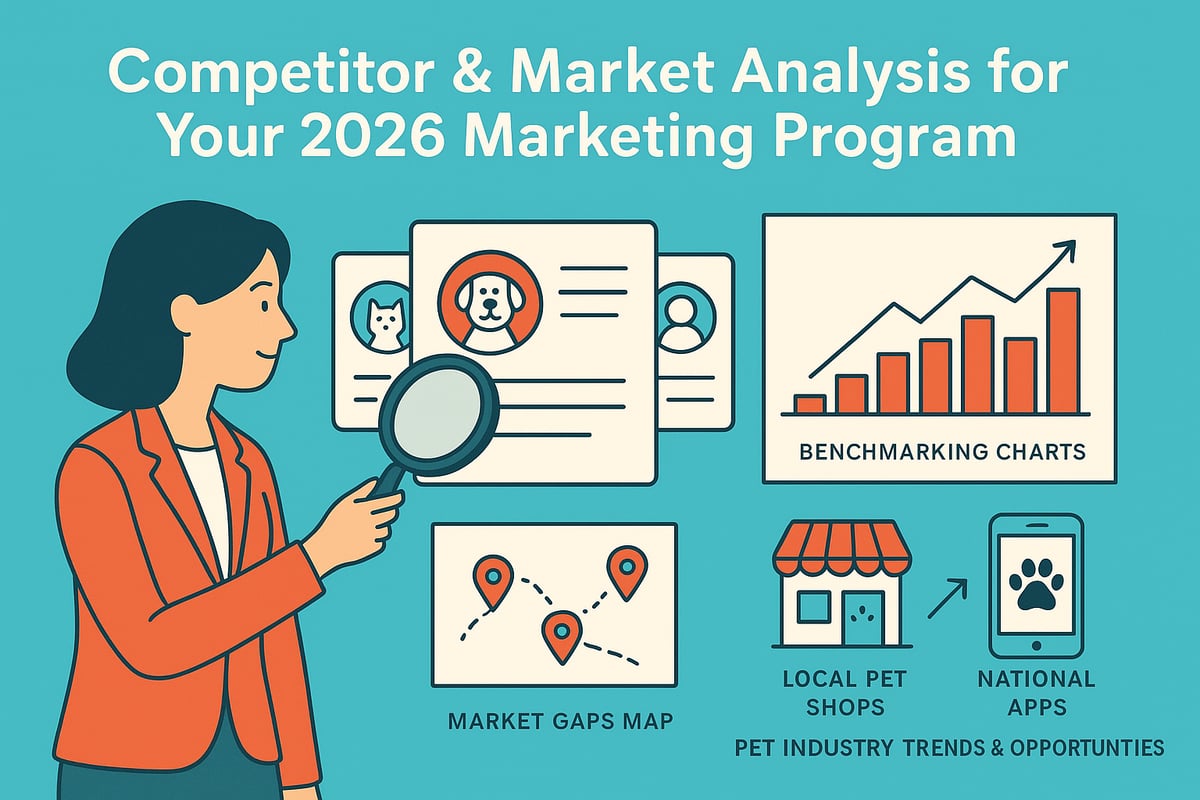
To build a strong marketing program, you first need to know who you’re up against. Direct competitors are businesses offering the same services as you, like another pet daycare down the street. Indirect competitors might be national apps or even dog walkers advertising online.
Here’s how you can identify them:
- Search Google Maps for local pet businesses
- Check social media for trending pet care services
- Ask your customers where else they shop or book services
By mapping out both direct and indirect rivals, your marketing program can target the right audience and fill unique needs.
Benchmarking Competitor Strategies
Benchmarking is all about understanding what your competitors do well—and where they fall short. This step in your marketing program involves reviewing their websites, analyzing social media engagement, and reading customer reviews.
Helpful tools include:
- SEMrush for website traffic estimates
- Ahrefs for keyword analysis
- Social media trackers for engagement stats
| Metric | You | Competitor A | Competitor B |
|---|---|---|---|
| Instagram Followers | 2,500 | 6,000 | 1,800 |
| Google Reviews | 4.8 | 4.2 | 4.5 |
Regular benchmarking ensures your marketing program stays competitive and adapts to changing market dynamics.
Spotting Market Gaps and Opportunities
A winning marketing program doesn’t just copy others—it finds what’s missing. Look for gaps by reading reviews for complaints, noting services competitors don’t offer, or observing underserved groups. For instance, if no one in your area offers pet care for senior dogs, that’s a golden opportunity.
Steps to spot gaps:
- List all services your competitors provide
- Identify pain points from customer feedback
- Brainstorm unique offerings, like mobile grooming or eco-friendly treats
By filling these gaps, your marketing program can attract loyal customers who feel seen and valued.
Leveraging Industry Trends and Reports
Staying ahead means knowing where the pet industry is headed. Tap into reports and trend articles to forecast changes and adapt your marketing program. For example, the rise of instant booking and social commerce has transformed how pet owners choose services.
Check out the 10 Marketing Trends for 2026 to see what’s coming next, from sustainable products to AI-powered customer support. Adapting early keeps your marketing program fresh and future-proof.
Step 4: Designing Your Marketing Strategy and Tactics
To build a successful marketing program, you need more than just clever ideas. You need a clear strategy that brings together the right channels, messaging, and tools for your business. Let’s break down how to design a marketing program that’s as effective for a neighborhood pet bakery as it is for a national dog daycare chain.
Choosing the Right Marketing Channels for 2026
Selecting the right channels for your marketing program can feel overwhelming, but it’s all about meeting your customers where they are. In 2026, pet businesses are thriving on platforms like TikTok, Instagram, and WhatsApp. Email marketing still delivers strong results, while local events help connect with your community.
- Social media: TikTok, Instagram, Facebook
- Messaging: WhatsApp, SMS
- Email: Monthly offers, appointment reminders
- Paid ads: Google, social platforms
- In-person: Community events, pop-up shops
For advanced strategies and expert insights on evolving channel choices, check out these Digital marketing strategist insights. The key is to mix and match channels that align with your audience and overall marketing program goals.
Content Strategy and Brand Messaging
Your marketing program needs a voice. Are you playful and quirky, or polished and professional? Pet brands that tell authentic stories stand out in a crowded market. For example, a rescue organization might share weekly “Happy Tail” stories about adopted pets, building trust and emotional connection.
Tips for content success:
- Develop a style guide for messaging and visuals
- Use real customer stories and photos
- Create educational blog posts (like grooming tips)
- Schedule regular content updates
Consistency in your content builds recognition and loyalty, making your marketing program memorable for pet parents.
Personalization and Customer Experience
A modern marketing program is all about making every customer feel special. Use automation and AI to personalize messages, like sending birthday discounts for a customer’s pup or recommending products based on purchase history.
Pet business example:
- Automated SMS reminders for grooming appointments
- Loyalty programs with personalized offers
- Tailored email newsletters featuring pets similar to the customer’s
Personalization not only increases engagement, it turns one-time buyers into lifelong fans of your marketing program.
Budgeting and Resource Allocation
A smart marketing program balances ambition with reality. Start by determining your total budget, then allocate funds to each channel based on expected impact and past results. Here’s a simple breakdown:
| Channel | % of Budget | Example Spend (Monthly) |
|---|---|---|
| Social Media | 30% | $600 |
| 20% | $400 | |
| Paid Ads | 25% | $500 |
| Events | 15% | $300 |
| Content | 10% | $200 |
Pet businesses often set aside 10-15% of revenue for their marketing program. Decide what can be managed in-house versus what to outsource—think social posts vs. professional video production.
Setting Up Campaigns: Step-by-Step
Launching a campaign in your marketing program doesn’t have to be complicated. Here’s a quick guide:
- Define clear goals (e.g., 50 new bookings)
- Set a timeline (e.g., 1-month promo)
- Gather creative assets (photos, graphics)
- Plan channel distribution (social, email, SMS)
- Launch and monitor results
For example, a “New Year, New Pup” campaign might include Instagram ads, email discounts, and a special in-store event. Each step should support the overall objectives of your marketing program.
Integrating Omnichannel Approaches
A winning marketing program ensures your message is seamless across every touchpoint. Imagine a pet supply store promoting an online sale that’s also available in-store, with reminders sent via email and SMS.
Omnichannel best practices:
- Sync online and offline promotions
- Use consistent branding everywhere
- Track customer interactions across all channels
- Offer in-store pickup for online orders
This approach not only boosts reach but also delivers a smoother experience, making your marketing program truly future-ready.
Step 5: Executing, Measuring, and Optimizing Your Program
Ready to bring your marketing program to life? This is where strategy turns into action, results, and continuous growth. Execution, measurement, and optimization are the backbone of seeing real-world impact—whether you’re running a bustling pet daycare or launching a new line of treats.
Launching Your Marketing Initiatives
Launching your marketing program is like opening the doors to a brand-new pet spa—everything needs to be coordinated for the best first impression. Start by gathering your team and assigning clear roles for each channel. For example, have one person manage social posts, another handle emails, and someone else oversee paid ads.
Follow this step-by-step launch checklist:
- Review campaign goals and creative assets.
- Schedule posts and emails to go out at optimal times.
- Double-check all links, images, and calls to action.
- Monitor live campaigns for technical hiccups.
- Celebrate your launch, but keep an eye on early results.
Want to make social stand out? Explore social marketing strategies for 2026 for fresh channel ideas tailored to today’s audiences.
A pet grooming salon, for instance, might roll out a “Spring Shedding” campaign across Facebook and SMS, ensuring customers get reminders and special offers just when they need them.
Tracking Key Performance Indicators (KPIs)
It’s not enough to launch a marketing program—you need to know what’s working. KPIs are your program’s vital signs. Common metrics to track include:
- Website traffic
- Online bookings or sign-ups
- Conversion rates from emails or ads
- Cost per lead/acquisition
- Customer lifetime value
Use tools like Google Analytics, Klaviyo Analytics, or HubSpot to keep tabs on these numbers. For a dog daycare, tracking how many bookings come from Instagram versus Google Ads helps you see where to invest more time and budget.
Remember, KPIs should be reviewed weekly or monthly so you can spot trends and make informed decisions. Consistent measurement turns your marketing program into a data-driven powerhouse.
Analyzing Results and Gathering Feedback
After your marketing program goes live, listen to what your data and customers are telling you. Set up regular reviews to analyze campaign reports and gather feedback from your audience.
Here’s how pet businesses can make this easy:
- Send post-purchase surveys (ask, “How did you hear about us?”)
- Check reviews on Google and Facebook
- Monitor social media comments and messages
For example, a pet e-commerce store might discover that customers love their “Pet of the Month” emails but want more product recommendations. Use this feedback to refine future content and improve customer experience.
Combining hard data with real customer voices ensures your marketing program stays relevant, relatable, and effective.
Iterating and A/B Testing
Optimization is all about tweaking and experimenting. A/B testing is your secret weapon for improving results over time. Here’s what you can test within your marketing program:
- Subject lines in promotional emails
- Ad images or copy for dog training classes
- Landing page layouts
Run tests by splitting your audience and comparing which version performs best. For instance, a pet bakery could test whether photos of decorated treats or happy pets drive more clicks.
Keep a simple table to track your results:
| Test Element | Version A | Version B | Winner |
|---|---|---|---|
| Email Subject | “Treat Sale!” | “Spoil Your Pup” | Version B |
| Ad Image | Dog solo | Dog with owner | Version A |
Regular A/B testing helps your marketing program evolve, keeping your content fresh and your ROI growing.
Adapting to Real-Time Insights and Trends
The marketing world moves fast—so should your marketing program. Monitor real-time analytics to spot sudden changes in customer behavior or channel performance.
If you notice a spike in website traffic from TikTok, for example, consider shifting more budget to that platform. Or if a new pet holiday is trending, quickly launch themed offers or content.
Stay agile by:
- Setting up alerts for key metrics
- Meeting weekly to review trends
- Empowering your team to suggest quick pivots
This flexibility helps your marketing program stay ahead of the competition and keep customers engaged.
Ensuring Compliance and Ethical Standards
Trust is everything, especially in pet businesses. Your marketing program must follow privacy laws like GDPR and CCPA. Always get clear opt-ins for SMS or email marketing and be transparent about data use.
Checklist for compliance:
- Use double opt-in for email lists
- Provide easy unsubscribe options
- Disclose how customer data is used
A pet supply store, for example, should display a privacy notice on their booking forms and get explicit consent before sending SMS reminders. Ethical marketing not only keeps you legal but builds lasting customer loyalty.
Future-Proofing Your Marketing Program for 2026 and Beyond
Staying ahead in 2026 means your marketing program can’t just keep up, it needs to leap forward. Let’s look at how pet businesses can future-proof their strategies for lasting growth and resilience.
Embracing New Technologies and Automation
Technology is rapidly transforming the way every marketing program operates. In 2026, AI-driven content, chatbots, and smart automation tools are essential for scaling pet businesses. For example, a pet grooming salon can use chatbots to handle appointment bookings and send automated reminders, freeing up staff for hands-on care.
Consider tools that use predictive analytics to spot trends in customer behavior. Want to know where digital ad spending is headed? Check out the latest Digital Advertising Statistics 2026 to see which channels are set to dominate.
Here’s a quick checklist:
- Implement AI chatbots for customer queries
- Use automation for personalized email campaigns
- Rely on predictive data to plan promotions
A marketing program that embraces technology now will outpace competitors tomorrow.
Focusing on Customer Retention and Loyalty
Growing your business isn’t just about finding new clients, it’s also about keeping the ones you have. A marketing program that prioritizes retention builds a loyal fan base that returns again and again.
For pet businesses, loyalty programs are a game changer. Imagine a dog daycare offering a free session after every ten visits, or a pet bakery rewarding referrals with discounts. Personalized follow-ups, like sending a birthday treat coupon for a customer’s pup, create delightful moments that drive repeat business.
Retention strategies to try:
- Launch a points-based loyalty program
- Offer referral bonuses for bringing in friends
- Send personalized thank-you notes or offers
A strong marketing program ensures repeat customers who spend more and spread the word.
Building Agility Into Your Marketing Team
The most successful marketing program is nimble and ready for anything. In 2026, agility means your team can pivot quickly when trends shift or new opportunities arise.
Pet businesses can foster this by cross-training staff so everyone knows the basics of social media, email marketing, and customer service. Flexible planning lets you launch last-minute campaigns, like celebrating National Puppy Day with a flash sale.
Tips for building agility:
- Cross-train team members on key marketing tools
- Hold regular brainstorming sessions for fresh ideas
- Use flexible marketing calendars that can adapt quickly
Agility in your marketing program lets you seize opportunities as they appear.
Monitoring Industry Changes and Continuous Learning
A future-proof marketing program never stops evolving. Keep your team sharp by staying plugged into the latest industry changes and marketing best practices.
Encourage your staff to subscribe to pet industry blogs, attend webinars, and pursue certifications like the HubSpot Social Media Certification. For example, a pet business that keeps learning can spot the next big social platform before competitors do.
Continuous learning checklist:
- Schedule monthly knowledge-sharing sessions
- Attend virtual marketing conferences
- Invest in ongoing training and certifications
By making learning a habit, your marketing program stays proactive and always ahead of the curve.
Resources and Tools for Building a Successful Marketing Program
Building a future-proof marketing program calls for the right mix of tools, learning, and community. Whether you run a dog daycare or a pet bakery, having the right resources at your fingertips makes all the difference.
Essential Marketing Tools for 2026
The heart of any marketing program is its toolkit. Modern pet businesses rely on a blend of platforms for analytics, automation, and communication.
Here are some must-haves for your 2026 marketing program:
| Tool | Purpose | Pet Business Example |
|---|---|---|
| Google Analytics | Track website traffic and conversions | Dog trainer measuring signups |
| SEMrush | SEO and competitor research | Pet bakery analyzing keywords |
| Mailchimp | Email campaigns and automations | Groomer sending reminders |
| Hootsuite | Social media scheduling | Pet daycare managing posts |
| Gingr | Daycare management | Dog daycare booking system |
| PetDesk | Vet practice management | Vet clinic appointment tool |
Staying ahead means choosing tools that fit your marketing program and keeping up with Marketing Industry Trends and Statistics for 2026 to anticipate shifts in technology and customer needs.
Recommended Courses and Certifications
A strong marketing program is only as good as the people running it. Upskilling with the latest certifications helps you stay sharp and credible.
Consider these options:
- HubSpot Social Media Certification: Master social platforms and paid campaigns.
- Google Ads Certification: Get hands-on with search and display advertising.
- SNHU Marketing Courses: Build foundational and advanced marketing skills.
These programs help pet business owners understand digital trends and apply them to their marketing program. Regular learning ensures your strategies are always fresh, relevant, and effective.
Community and Networking Opportunities
No marketing program thrives in a vacuum. Connection is key, especially in the pet industry where word of mouth and referrals matter.
Get involved with:
- Industry associations: Join pet business groups for resources and support.
- Local business meetups: Find partners and cross-promote services.
- Online forums and Facebook groups: Swap stories and get referrals.
For example, joining a local pet business Facebook group can help you learn new tricks for your marketing program and even drive new clients your way. Sharing tips and celebrating wins together makes the journey more rewarding.
So, now that we’ve walked through the nitty gritty of building a marketing program that actually works in 2026 (without losing your mind), you’ve got the roadmap in your hands. Whether you’re dreaming up new campaigns or just want more happy pet clients, it all starts with taking that first step. Remember, you don’t have to figure this all out alone—especially when you’ve got experts who eat, sleep, and breathe pet business marketing. Ready to see real growth, not just more “likes”? Let’s do this together—Get Started.