In 2026, the world of dog food advertising is bursting with creativity and fierce competition. Brands are pulling out all the stops to capture the hearts of pet parents who expect more than ever before.
This guide is your go-to source for actionable strategies and the latest insights to help you stand out. Curious about what’s driving change in the dog food space? We’ll break down new trends, shifting consumer behaviors, regulatory updates, fresh campaign ideas, tech innovations, and measurement tactics.
Whether you’re a seasoned marketer or just starting out, you’ll discover practical steps to connect with modern dog owners and outshine the competition. Ready to transform your approach and achieve real results? Dive in and put these strategies to work for measurable success.
Understanding the 2026 Dog Food Market Landscape
The world of dog food advertising is evolving at a dizzying pace. In 2026, brands face a landscape shaped by shifting consumer values, fierce competition, and new regulatory hurdles. Let’s break down what’s driving the market, who’s leading the charge, and how changing rules are shaping the future.
Evolving Consumer Demographics and Psychographics
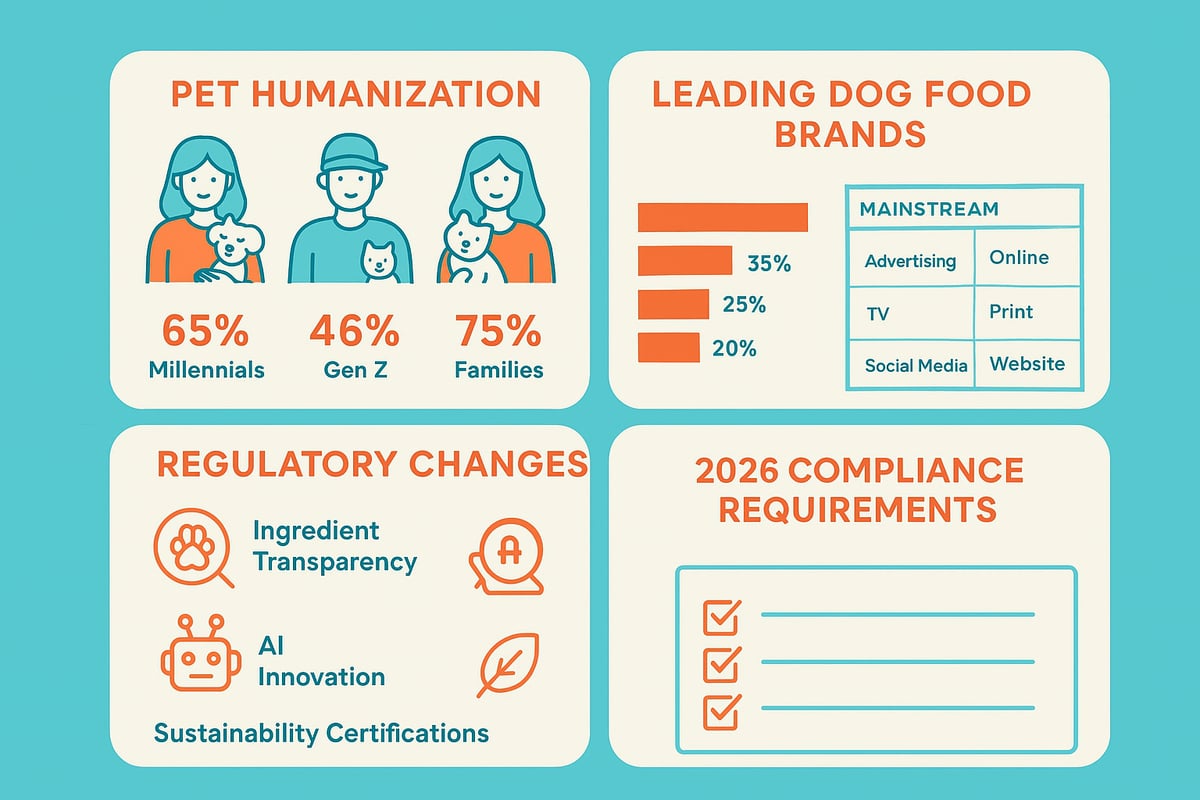
In 2026, dog food advertising is laser-focused on the new generation of pet owners. Millennials and Gen Z now dominate the market, bringing fresh expectations and a willingness to invest in their pets’ health. For these consumers, dogs are not just animals—they’re family. This “pet humanization” trend drives demand for premium, organic, and sustainable dog food options.
Urban living and smaller homes are nudging buyers toward convenient, health-focused products. Many are seeking functional benefits like improved digestion or allergy-friendly recipes. In fact, 58% of African pet owners now consider their pets family, showing just how universal this shift has become.
Curious about why humanization is such a game-changer? Check out this deep dive on Humanization in Pet Food Ads to see how it’s transforming dog food advertising worldwide.
Across the globe, year-over-year dog food sales keep climbing. Brands that understand these new psychographics—and reflect them in their marketing—are setting the pace for the industry.
Competitive Overview and Market Leaders
Let’s talk competition. The 2026 dog food advertising scene is packed with heavy hitters and hungry upstarts. Established names like Purina Pro Plan still hold significant market share, thanks to bold campaigns featuring champion dogs. Their storytelling approach connects emotionally with dog lovers, blending expertise with heart.
But don’t count out the boutique brands. Smaller players are carving out niches with targeted dog food advertising and ultra-transparent messaging. Mergers, acquisitions, and new entrants shake up the leaderboard every year, keeping everyone on their toes.
Here’s a quick table comparing strategies:
| Brand Type | Ad Focus | Strengths |
|---|---|---|
| Mainstream | Lifestyle, Awards | Trust, Reach |
| Boutique/Niche | Transparency | Loyalty, Innovation |
Regional differences also play a role. Popular product types and leading brands vary from country to country, reflecting local tastes and regulations. Since 2020, market share has shifted as more brands get creative with their dog food advertising.
Key Regulatory and Industry Changes
Regulations have never been more important for dog food advertising. In 2026, new rules around labeling and ingredient transparency are front and center. The American Feed Industry Association and FDA regularly update guidelines to ensure pet food safety and honest marketing.
Ingredient innovation is a hot topic, with AI helping brands develop recipes that meet both nutritional needs and regulatory standards. These changes bring compliance challenges, but also open doors for brands to differentiate through transparency and quality seals.
Sustainability certifications are now a powerful marketing tool. Brands that showcase eco-friendly sourcing or recyclable packaging can stand out in a crowded field.
Staying agile with dog food advertising isn’t just smart—it’s essential for navigating the ever-changing legal landscape.
Core Elements of Successful Dog Food Advertising in 2026
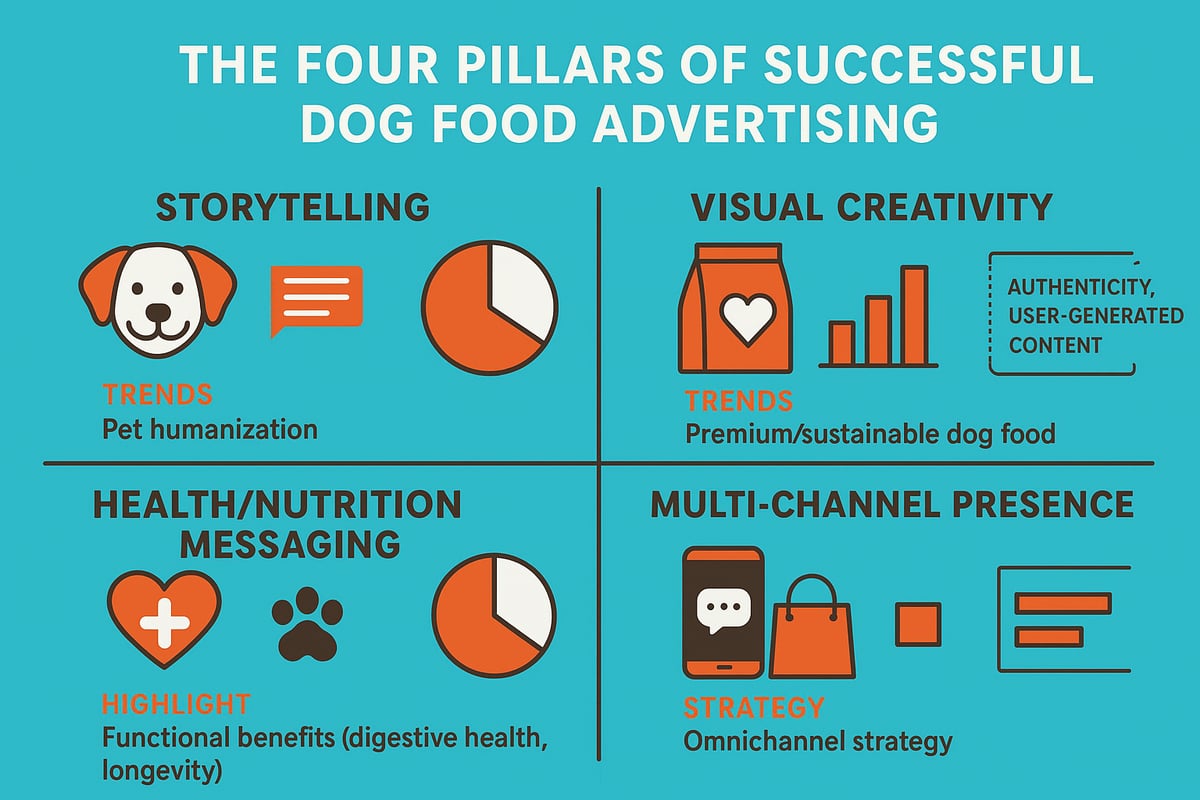
Standing out in the 2026 dog food advertising landscape means going beyond catchy jingles or cute puppies. Brands must connect with dog owners on a deeper level, create memorable visuals, communicate value, and show up where pet parents actually spend their time. Let’s break down the four core elements shaping success in dog food advertising this year.
Storytelling and Brand Positioning for Modern Pet Owners
The heart of modern dog food advertising lies in storytelling. Today’s dog owners want to see brands that genuinely understand their bond with their pets. Gone are the days of just listing ingredients. Now, emotionally resonant stories that showcase dogs as cherished family members win loyalty.
Consider how Purina’s iconic campaign put dogs at eye level with their people. This shift from product-centric to lifestyle-focused messaging speaks volumes. To build a strong brand, focus on:
- Sharing real stories from pet owners
- Highlighting user-generated content and real pet experiences
- Using authentic voices, not just polished slogans
Authenticity builds trust. When dog food advertising taps into real-life moments and lets pet owners see themselves, it’s easier to create a lasting connection. Remember, modern consumers can spot a fake a mile away. Make every story count, and don’t be afraid to put a little heart into your brand’s narrative.
Visual and Creative Trends
If you want your dog food advertising to get noticed, visuals matter. In 2026, brands are embracing high-quality imagery and video to showcase benefits and spark emotion. Minimalist designs with clear labels and bold color palettes are trending, making products easy to spot both online and in stores.
Let’s break it down:
- Show dogs and owners together for that instant connection
- Use clean, readable typography and eye-catching color schemes
- Feature innovative packaging that stands out on the shelf
Ad campaigns that blend clarity with creativity—think Speak! dog food’s memorable packaging—grab attention. The goal is to create visuals that tell a story at a glance and reflect the brand’s values. In a crowded market, smart design is often the first step toward winning new fans for your dog food advertising.
Messaging: Health, Nutrition, and Sustainability
Dog owners in 2026 are more informed and health-conscious than ever. They want to know exactly what’s going into their pets’ bowls. That means dog food advertising must communicate functional benefits and ingredient transparency front and center.
Here’s a quick look at what resonates:
| Benefit | Why It Matters |
|---|---|
| Digestive Health | Prevents tummy troubles, supports wellness |
| Skin & Coat | Shiny fur means a happy, healthy pup |
| Longevity | Every year with our pets counts |
| Allergy-Friendly | Addresses sensitivities and special diets |
| Sustainability | Pet parents care about the planet too |
Bring these messages to life by citing scientific research and featuring veterinarian endorsements. Highlight eco-friendly packaging and ethical sourcing in your dog food advertising to appeal to the growing segment of sustainability-focused buyers.
Multi-Channel Approach: Where to Advertise in 2026
Dog food advertising in 2026 is all about meeting pet owners where they are. Today’s campaigns blend digital, print, in-store, and events for a true omnichannel presence. Social media platforms like Instagram, TikTok, and Facebook remain powerhouses for engagement, especially when paired with influencer partnerships and sponsored content.
Top channels for dog food advertising success:
- Social media (Instagram, TikTok, Facebook)
- In-store displays and point-of-sale integrations
- Native ads and influencer collaborations
- Podcasts, YouTube, and new audio platforms
Want to maximize your reach? Leverage social media marketing for pet businesses to connect with modern pet parents where they spend the most time. An integrated approach lets you tell your story consistently and track performance across every touchpoint. In 2026, being everywhere your customers are isn’t just smart—it’s essential for dog food advertising success.
Harnessing Technology and Data for Advertising Success
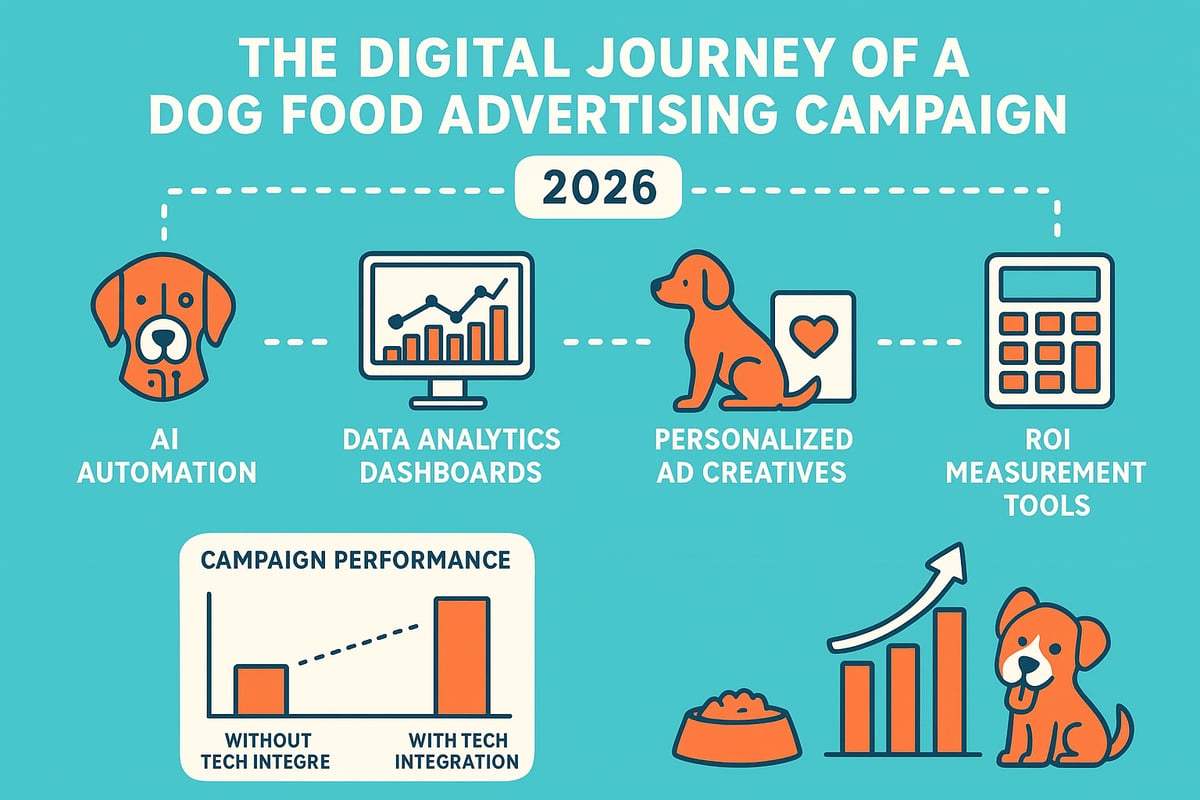
The digital revolution is reshaping dog food advertising, giving brands smarter ways to reach pet owners and measure results. In 2026, technology is not just a nice-to-have—it's the backbone of campaigns that stand out from the pack. Let’s break down the tech and data essentials every marketer needs to master for real advertising success.
AI and Automation in Campaign Management
Artificial intelligence is the new best friend of dog food advertising teams. AI handles everything from pinpointing the right pet parents to optimizing creative assets in real time. Brands now use automated systems to monitor campaigns, shift budgets, and tweak messaging on the fly.
AI can analyze millions of data points—think pet owner preferences, purchase history, trending flavors, or time of day—to make sure ads appear in front of the right eyes at the perfect moment. For a deeper dive into how AI is transforming this field, check out AI in Pet Food Marketing.
Examples include AI-powered recipe development, where brands test new formulas based on consumer sentiment, as discussed at recent industry conferences. Automation also means less manual work for marketers and more time spent on creativity and strategy.
Leveraging Data Analytics and Consumer Insights
Data is the secret sauce behind today’s most effective dog food advertising. Brands collect first-party data directly from pet owners—think signups, purchase history, and engagement with online content. This treasure trove of information helps segment audiences by breed, age, lifestyle, or even favorite dog activities.
Real-time analytics dashboards let marketers track campaign performance as it happens. If a certain ad isn’t wagging tails, it can be swapped out instantly. Privacy matters, too. Staying compliant with data regulations is a must, so brands use secure systems and transparent opt-ins.
Key benefits of data-driven advertising:
- Pinpoint targeting for better ROI
- Faster reaction to market trends
- Deeper understanding of pet owner needs
With these insights, brands can craft smarter, friendlier campaigns that truly speak to their audience.
Personalization and Dynamic Content Delivery
Personalization is the bone every marketer wants to fetch in dog food advertising. In 2026, ads are no longer one-size-fits-all. Instead, dynamic content adapts to the individual—whether it’s a puppy-loving millennial in a city apartment or a senior dog owner in the suburbs.
Brands use recommendation engines to suggest products based on breed, age, dietary needs, or previous purchases. Email and SMS campaigns are tailored with pet names and custom offers. Social ads shift imagery and copy to match a user’s browsing behavior.
This approach boosts engagement, builds loyalty, and increases the chance of conversion. The result? Happier pet parents and healthier bottom lines.
Measurement and ROI: Proving Advertising Effectiveness
Measuring the impact of dog food advertising has never been more precise. Brands track key performance indicators (KPIs) across every channel—digital, print, in-store, and beyond. Attribution modeling helps marketers see which touchpoints drive the most value.
Here’s a quick KPI comparison table:
| KPI | What It Measures | Why It Matters |
|---|---|---|
| Click-Through Rate | Ad engagement | Indicates interest |
| Conversion Rate | Purchases or signups | Shows campaign success |
| Brand Lift | Awareness/Recall | Gauges brand impact |
| ROAS | Return on Ad Spend | Measures profitability |
Real-time dashboards reveal what’s working and what’s not, so brands can adjust budgets and creative assets quickly. Benchmarking against industry standards keeps the competition in sight and ensures campaigns deliver real, measurable results.
Creative Campaign Strategies for 2026
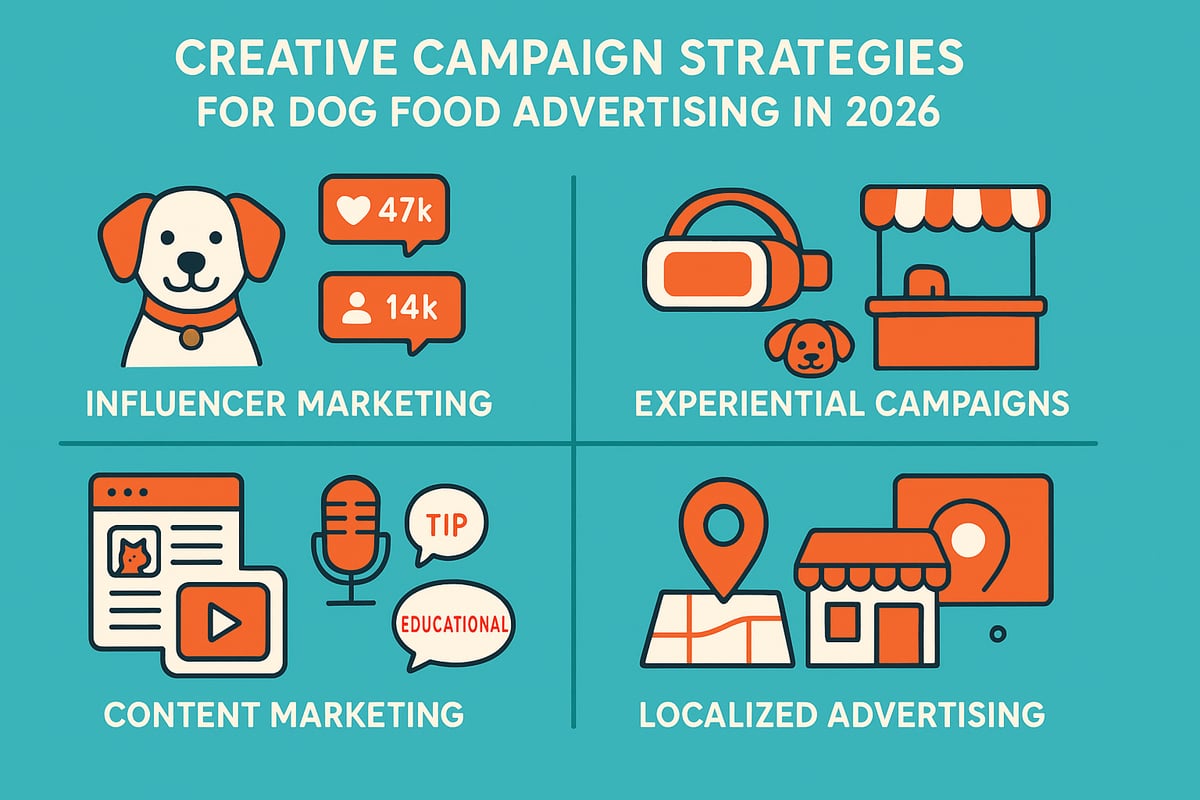
The world of dog food advertising in 2026 is bursting with creativity, personality, and innovation. Brands are ditching bland, generic ads for campaigns that feel personal, interactive, and downright fun. If you want your dog food advertising to stand out, it’s time to think beyond the basic banner ad and embrace strategies that spark genuine connections with today’s pet families.
Influencer and Community-Driven Marketing
Influencer partnerships are at the heart of modern dog food advertising. Pet parents trust real people (and their furry sidekicks) more than faceless brands. That’s why teaming up with pet influencers and micro-influencers is essential.
- Collaborate with dog influencers to showcase real product experiences.
- Launch user-generated content campaigns encouraging customers to share pet stories or photos.
- Build brand ambassador programs that reward loyal fans for spreading the word.
Community-driven marketing goes further by creating spaces where dog lovers connect and share. Think Facebook groups, Instagram communities, and TikTok challenges. These spaces foster brand loyalty and word-of-mouth buzz, making your dog food advertising feel like a movement, not just a message.
Brands are also tying campaigns to causes that matter. Partnering with rescue organizations or supporting pet adoption events adds heart to your dog food advertising and builds trust with consumers who care about giving back.
Experiential and Interactive Campaigns
Static ads are yesterday’s news. Today’s dog food advertising is all about experiences, both in the real world and online. Live pop-up events let pet parents and pups sample new products, ask questions, and snap shareable photos.
Virtual reality (VR) and augmented reality (AR) bring the in-store experience home. Imagine customers “trying” a new dog food by scanning packaging for nutritional info or interactive feeding guides. Gamified quizzes and digital contests engage audiences while collecting valuable insights for future dog food advertising.
- Host local events and meetups for hands-on engagement.
- Use AR to let pet owners visualize how your dog food fits into their routine.
- Launch interactive recipe wheels or nutrition calculators in-store and online.
These interactive approaches make your dog food advertising memorable. They turn every campaign into a two-way conversation, not a monologue.
Content Marketing and Education
Education is a superpower in dog food advertising. Pet parents crave trustworthy information about nutrition, ingredients, and pet health. Brands that deliver value through blogs, videos, podcasts, and expert webinars become go-to resources for their audience.
- Share tips on choosing the right food for different breeds or life stages.
- Host Q&A sessions with veterinarians or pet nutritionists.
- Produce in-depth guides and downloadable resources for pet families.
Storytelling is equally crucial. Sharing real-life success stories, rescue tales, or behind-the-scenes looks at sourcing builds authenticity. For brands ready to invest in this approach, content marketing for pet industry services can help develop a strategy that connects and converts.
By focusing on helpful, honest content, your dog food advertising can rise above the noise and position your brand as a trusted leader.
Localized and Hyper-Targeted Advertising
One-size-fits-all is out. Hyper-targeted, localized dog food advertising is in. Brands are customizing campaigns for different regions, climates, and community values.
- Use geo-targeted ads to reach pet parents in specific neighborhoods or cities.
- Partner with local pet shops, groomers, or veterinarians to boost in-person engagement.
- Adapt messaging to reflect local culture, holidays, or even climate-specific pet needs.
Localized dog food advertising goes beyond language tweaks. It’s about understanding the unique needs of pet owners in each market. This approach increases relevance, drives stronger results, and helps brands expand internationally with confidence.
No matter your brand’s size, these creative strategies can take your dog food advertising from forgettable to unforgettable. The key is to stay curious, experiment boldly, and always keep your focus on the real needs of modern pet families.
The Role of Partnerships and Industry Collaboration
In 2026, partnerships are the secret sauce behind breakthrough dog food advertising. Collaboration can unlock access to new audiences, boost credibility, and keep your brand ahead of industry shifts. Let’s dive into how teaming up with others can elevate your campaigns and build lasting trust with pet parents.
Collaborating with Retailers and Veterinary Professionals
Partnering with retailers and veterinary professionals is a winning move for dog food advertising. Retailers offer prime shelf space, in-store displays, and co-branded promotions that put your brand directly in front of shoppers. Joint campaigns, such as exclusive product launches or bundled offers, create buzz and drive sales.
Veterinary endorsements add another layer of trust. When vets recommend your dog food, pet owners listen. In-store educational events or Q&A sessions with local vets can build brand authority and answer consumer questions on the spot.
A great example is Purina’s collaboration with Westminster Best in Show winners, which leverages both retailer and veterinary relationships for maximum impact. For brands seeking expert help in managing these partnership campaigns, ads management for pet brands can streamline the process, from creative strategy to execution. These collaborations help brands stand out in a crowded dog food advertising market.
Working with Nonprofits and Rescue Organizations
Aligning with nonprofits and rescue groups opens doors to cause marketing and community goodwill. Donation programs, sponsorship of adoption events, and support for animal welfare initiatives all strengthen your brand’s reputation among passionate pet lovers.
Hosting fundraising raffles or matching donations for pet cancer research, like some holistic pet food companies, shows your commitment to making a difference. These partnerships aren’t just feel-good—they inspire authentic stories and user-generated content that amplify your dog food advertising.
Engaging with animal rescues also means tapping into a network of dedicated volunteers and adopters. By sponsoring local adoption days or providing food samples for new pet parents, your brand becomes part of meaningful life moments. This level of community involvement fosters brand loyalty and positive word-of-mouth in the competitive 2026 landscape.
Industry Events, Forums, and Thought Leadership
Industry events are gold mines for networking, learning, and raising your profile in dog food advertising. Conferences like the Petfood Forum or AFIA Pet Food Conference gather thought leaders, innovators, and regulatory experts under one roof. Presenting research, sharing best practices, or sponsoring sessions positions your brand as a forward-thinking player.
These events are also perfect for scouting new partnership opportunities. Co-marketing with complementary brands, connecting with distributors, or even learning about shifts in the US dog food market analysis can spark your next big move.
Staying active in industry forums ensures you’re on top of new regulations, ingredient trends, and evolving consumer needs. This knowledge fuels agile dog food advertising strategies that keep your brand ahead of the pack.
Partnership Types & Benefits Table
| Partnership Type | Key Benefits | Example Action |
|---|---|---|
| Retailers | Wider reach, shelf space, sales boosts | Co-branded in-store promo |
| Veterinary Professionals | Trust, education, authority | Vet-endorsed Q&A event |
| Nonprofits/Rescues | Brand goodwill, community engagement | Adoption event sponsorship |
| Industry Events/Forums | Networking, insights, innovation | Conference presentation |
In a nutshell, strategic partnerships are the backbone of successful dog food advertising in 2026. Whether you’re teaming up with vets, retailers, or nonprofit groups, collaboration is your ticket to greater impact and lasting brand trust.
Future-Proofing Your Dog Food Advertising Strategy
Staying ahead of the curve in dog food advertising means keeping your ear to the ground, your eyes on emerging trends, and your team ready to pivot. The pet industry never sits still, so if you want long-term success, it’s all about being proactive, not just reactive. Let’s break down how to keep your strategy sharp, flexible, and ready for whatever 2026 throws at you.
Anticipating Emerging Trends and Consumer Behaviors
Dog food advertising in 2026 starts with knowing your audience inside and out. Pet parents are evolving fast, with a sharp focus on health, transparency, and sustainable choices. Ingredient innovation, like alternative proteins or functional foods, is quickly gaining ground. If you need proof, just check out the Premium Dog Food Trends 2026 report, which highlights the surge in freeze-dried, human-grade, and organic formulas.
Pet owners are scrutinizing health claims more than ever, so you’ll need to back up every promise. Sustainability is no longer optional; it’s a must-have for modern brands. Keep an eye on regulatory shifts too, especially around labeling and marketing. The most successful dog food advertising campaigns will be the ones that anticipate, not just react to, these changes.
Building Agile and Resilient Campaigns
Flexibility is your secret sauce in dog food advertising. The market can change overnight, whether due to a new regulation, supply chain hiccup, or viral trend. Building an agile campaign means developing creative assets that can be quickly updated or swapped out as needed.
Scenario planning is your friend—think through possible disruptions and have a plan B (and maybe a plan C). Invest in ongoing team education, so everyone’s up to speed on the latest tech and best practices. And don’t forget your tools: modern campaign management platforms let you tweak messaging, shift budgets, or launch new assets at the click of a button.
- Regular creative refreshes
- Cross-functional team training
- Real-time data monitoring
Agility is what separates the brands that weather the storm from those left behind.
Scaling Success: From Local to Global
Ready to take your dog food advertising beyond your backyard? Expanding internationally brings its own set of challenges—think new languages, cultures, and regulations—but it also opens up huge growth opportunities.
Start by researching local pet owner preferences and adapting your messaging. What resonates in New York might flop in Tokyo or Berlin. Geo-targeted ads and local search optimization are your best friends for neighborhood reach. Collaborate with local retailers, pet shops, and even veterinarians to build trust.
Digital platforms make it easier than ever to run scalable, cross-border campaigns. Just remember, every market has its quirks, so tailor your approach to fit. When you future-proof your dog food advertising strategy, you’re not just chasing trends—you’re building a foundation for global success.
Ready to put these dog food advertising tips into action and outshine the competition in 2026? You don’t have to figure it all out on your own. If you want expert eyes on your campaigns, or just need a helping hand planning your next big move, I’ve got your back. At All Ears Digital, we speak fluent “pet parent” and know how to turn creative ideas into real, trackable results—so you can focus on making tails wag (and your sales soar). Curious what’s possible for your brand? Get Started
Article written using RankPill.