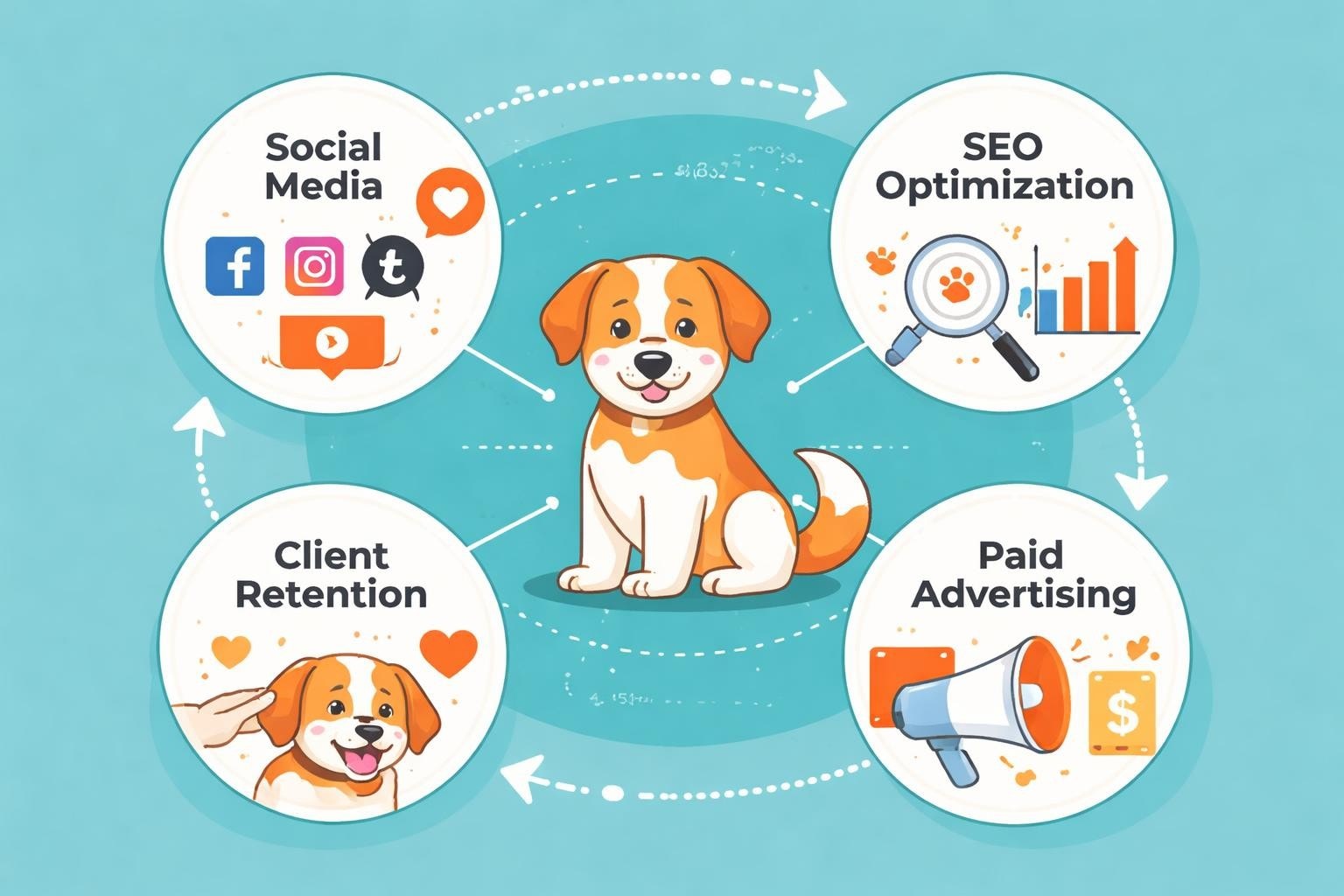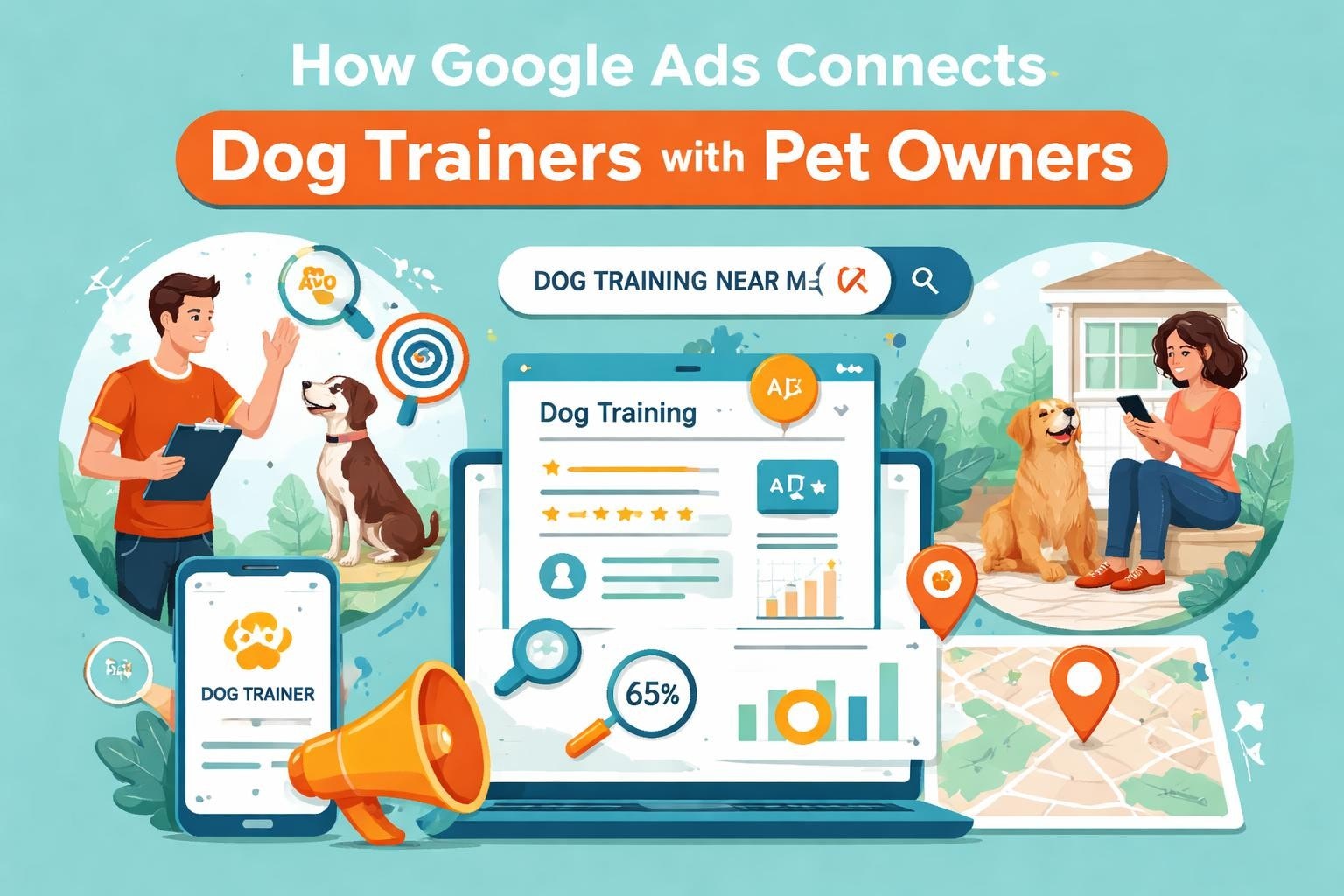
Running a pet business is all about connecting with people who absolutely adore their furry, scaly, or feathered friends. But here's the thing: those pet parents are scrolling through Instagram, searching on Google, and checking their emails daily. If you're not meeting them where they are, you're missing out on clients who desperately need your services. Digital campaigns bring your grooming salon, veterinary clinic, pet store, or dog training business directly into the phones and computers of people actively looking for what you offer. Whether you're just starting to explore online marketing or looking to improve what you're already doing, understanding how to create effective digital campaigns can transform your business from a local secret into a go-to destination for pet lovers.
What Makes Digital Campaigns Different for Pet Businesses
Digital campaigns aren't just about throwing up a few Facebook posts and hoping for the best. They're coordinated efforts that use multiple online channels to achieve specific business goals. Think of them as carefully planned conversations with your ideal clients, happening across different platforms at the right moments.
For pet businesses, these campaigns have a special advantage: pet owners are incredibly engaged online. They're constantly searching for advice, sharing photos of their pets, and looking for trustworthy local businesses. When you create digital marketing campaigns that speak directly to their concerns and desires, you're positioning yourself exactly where they're looking.
The Core Components Every Campaign Needs
Before diving into tactics, let's talk about what actually makes up a successful digital campaign. You need several pieces working together:
- Clear objective: Are you trying to book more appointments, sell products, or build brand awareness?
- Defined target audience: New puppy parents, senior cat owners, or exotic pet enthusiasts?
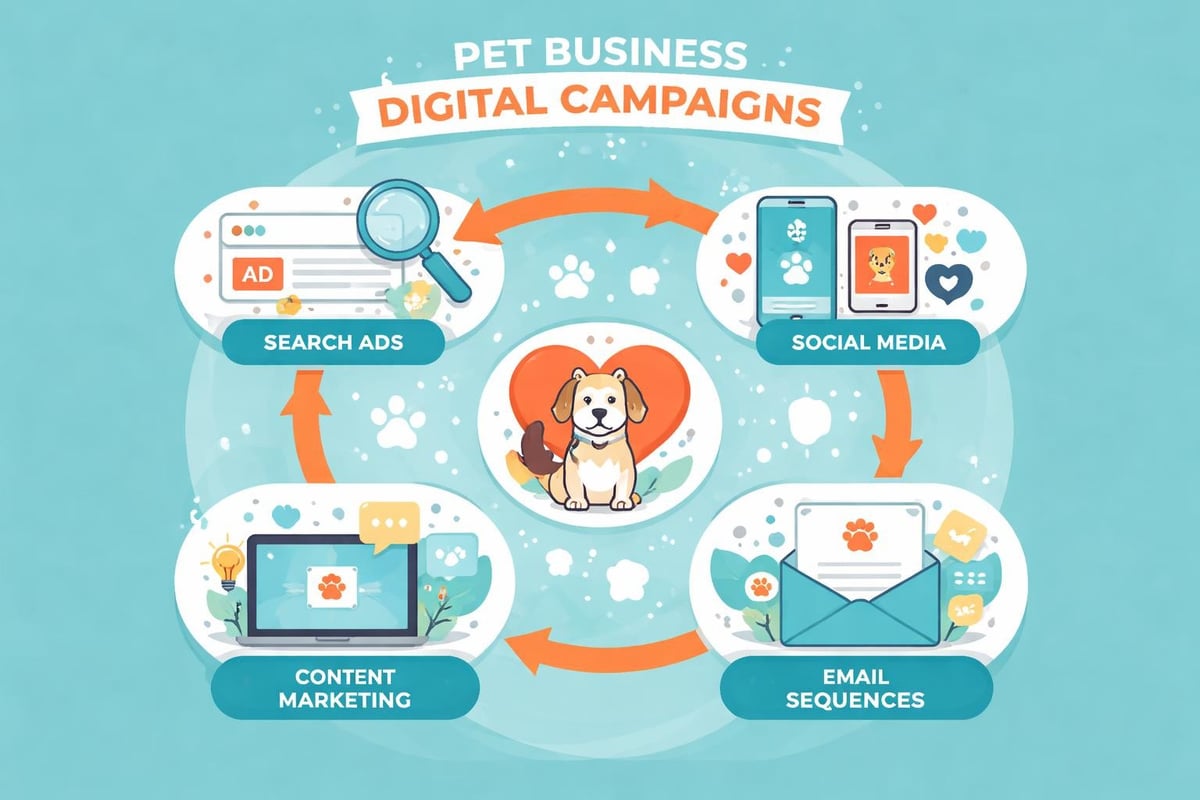
- Multi-channel approach: Combining social media, email, search ads, and content
- Consistent messaging: Your voice and offers should align across platforms
- Measurement system: Tracking what works and what doesn't
A local dog grooming salon in Austin, Texas, recently ran a campaign specifically targeting new pet owners in their neighborhood. They combined Facebook ads showing before-and-after grooming photos with Google search ads for "puppy grooming near me" and an email series about puppy care. The result? They booked out three weeks in advance and built a waitlist of eager new clients.
Building Your First Pet Business Campaign Step by Step
Let's walk through creating a campaign from scratch. This process works whether you're promoting a holiday special, launching a new service, or simply trying to fill appointment slots during slower months.
Step 1: Identify Your Campaign Goal
Get specific here. "More customers" isn't a goal. "Book 15 new grooming appointments in February" or "Sell 50 bags of our premium dog food this month" gives you something concrete to work toward.
Ask yourself these questions:
- What business problem am I solving?
- How will I measure success?
- What's my budget for this campaign?
- How long will the campaign run?
Step 2: Know Exactly Who You're Talking To
Your ideal client isn't just "pet owners." That's way too broad. A cat-only veterinary clinic targets different people than a high-energy dog daycare. Get detailed about who you're trying to reach.
Create a simple profile:
| Characteristic | Example |
|---|---|
| Pet type | Indoor cats, senior dogs, first-time puppy owners |
| Age range | 25-45 years old |
| Location | Within 5 miles of your business |
| Pain points | Anxiety about vet visits, finding trustworthy care |
| Online behavior | Active on Instagram, searches Google for pet advice |
A boutique pet store in Portland focused their campaign exclusively on owners of small breeds. They created content about challenges specific to tiny dogs, showcased small-breed products, and ran ads featuring customer photos of Chihuahuas, Yorkies, and Pomeranians. This targeted approach generated three times better engagement than their previous generic pet content.
Step 3: Choose Your Channels Strategically
You don't need to be everywhere. You need to be where your clients are. Most pet businesses find success with this combination:
Social Media (Instagram and Facebook)
- Share engaging content regularly
- Run targeted ads to local pet owners
- Build community through comments and messages
- Showcase happy clients and their pets
Google Search Ads
- Capture people actively looking for your services
- Target local search terms
- Appear when someone searches "emergency vet near me" or "dog training classes"
Email Marketing
- Nurture relationships with current clients
- Share helpful tips and seasonal reminders
- Promote special offers to people who already trust you
Local SEO and Content
- Help people find you organically through SEO and local listings
- Answer common questions pet owners search for
- Build authority in your local area
Step 4: Create Content That Connects
Here's where personality matters. Pet owners want to work with businesses that genuinely care about animals. Your campaign content should demonstrate expertise while showing the heart behind your business.
Types of content that work beautifully for pet businesses:
- Before-and-after transformations (grooming, training, health improvements)
- Educational tips addressing common concerns
- Customer testimonials with photos of happy pets
- Behind-the-scenes glimpses of your team and facility
- Seasonal advice (summer safety, holiday stress, winter care)
A veterinary clinic in Denver created a winter wellness campaign that included short videos about protecting paws from ice melt, infographics about recognizing hypothermia in pets, and a special offer on winter health check-ups. They shared this across social media, sent it via email, and wrote blog posts. The campaign positioned them as caring experts and booked 40 additional appointments.
Step 5: Set Up Tracking From Day One
You can't improve what you don't measure. Successful digital campaigns always include tracking mechanisms from the start.
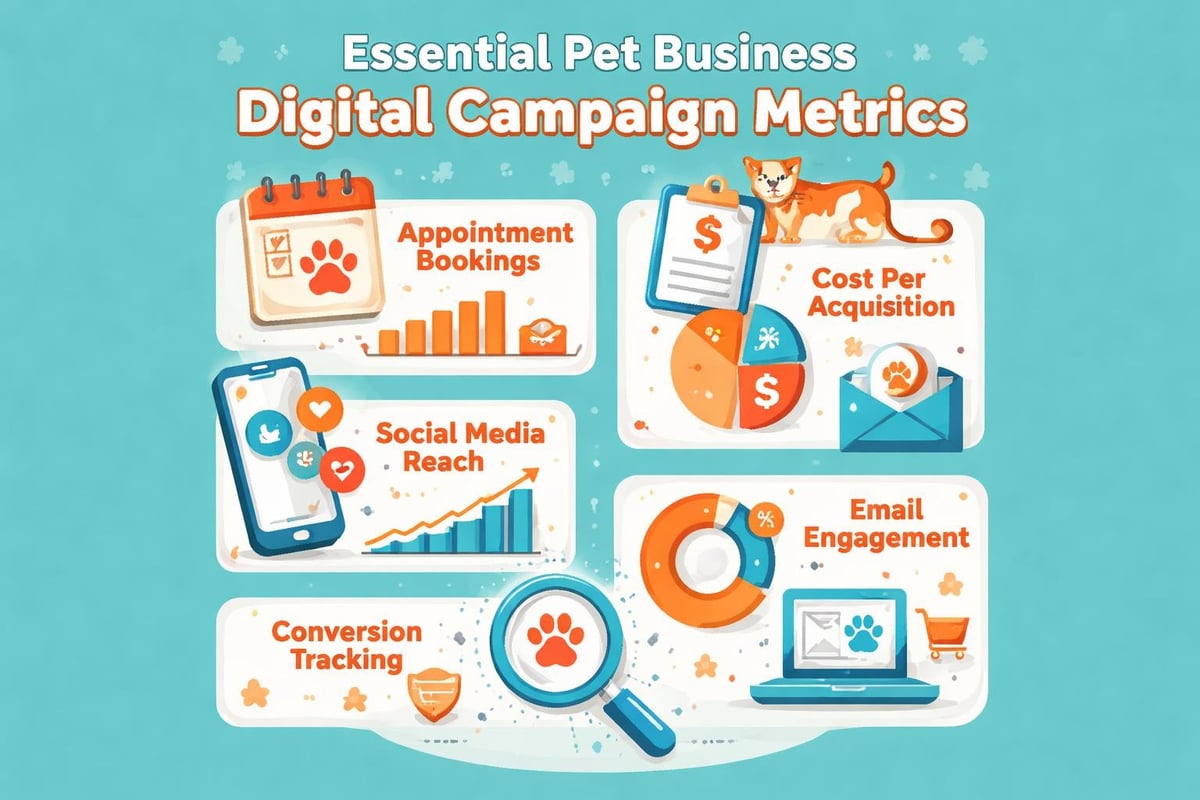
Track these essential metrics:
- Website traffic: How many people visit after seeing your campaign?
- Conversion rate: What percentage take your desired action?
- Cost per acquisition: How much does each new client cost you?
- Email open and click rates: Are people engaging with your messages?
- Social media engagement: Likes, comments, shares, and saves
- Phone calls and form submissions: Direct response to your campaign
Real-World Campaign Examples That Worked
Let's look at specific campaigns that pet businesses have run successfully. These examples show different approaches you can adapt for your own business.
The New Puppy Welcome Series
A dog training facility created a campaign specifically for new puppy owners. They knew these pet parents were overwhelmed and actively searching for help during those first few chaotic months.
Campaign elements:
- Facebook ads targeting people whose relationship status changed to include a dog
- Landing page offering a free "Puppy Survival Guide" in exchange for email signup
- Six-week email series with training tips and class promotions
- Instagram content featuring adorable puppy training success stories
- Google ads for searches like "puppy won't stop biting" and "house training puppy"
The campaign ran for three months and enrolled 47 new puppies in their basic training classes. The email series maintained a 38% open rate, and many subscribers became long-term clients for advanced classes.
The Slow Season Flash Sale
A pet boarding facility noticed empty kennels during the fall months. Instead of just lowering prices, they created a campaign that emphasized the benefits of boarding during quieter times.
What they did:
- Email campaign to existing clients highlighting more personalized attention during slower periods
- Social media posts showing spacious, calm boarding environment
- Limited-time offer: book fall boarding, get 20% off winter holiday boarding
- Retargeting ads to people who'd visited their website but hadn't booked
- Partnership posts with local dog trainers and groomers
Results? They filled 70% of their fall availability and pre-sold holiday boarding six weeks earlier than previous years.
The Community Education Campaign
A cat-only veterinary clinic wanted to position themselves as the trusted experts for feline health. Rather than pushing services, they focused on education with studying effective digital interventions as inspiration.
Their approach:
- Monthly webinars on topics like "Understanding Your Cat's Body Language"
- Blog posts answering common cat health questions
- Instagram carousel posts breaking down complex topics simply
- YouTube shorts demonstrating stress-free vet visit preparation
- Email newsletters with seasonal cat care reminders
This wasn't a quick-win campaign. It ran for six months and focused on building trust. The payoff? Their client base grew by 35%, and clients consistently mentioned the educational content as why they chose this clinic over competitors.
Advanced Strategies for Scaling Up
Once you've mastered basic campaigns, these advanced tactics can amplify your results significantly.
Retargeting: The Follow-Up That Actually Works
Not everyone books on their first visit to your website. In fact, most won't. Retargeting keeps your business in front of people who've shown interest.
Here's how it works for a mobile pet grooming service:
- Someone visits your website and checks out pricing
- They leave without booking (totally normal)
- Over the next two weeks, they see your ads on Facebook and Instagram
- The ads remind them of your convenience and show happy customer reviews
- They finally book when it's the right time for them
Retargeting typically costs less than acquiring completely new traffic and converts at much higher rates because you're reaching people who already know who you are.
User-Generated Content Campaigns
Pet owners love sharing photos of their animals. Smart businesses turn this into marketing gold. Check out these real-world case studies of successful digital campaigns that leverage user content.
Campaign idea for a pet supply store:
- Create a branded hashtag like #HappyPetsAtPawsAndTails
- Encourage customers to share photos using your products
- Feature the best photos on your social media with credit
- Offer monthly prizes for the best submissions
- Use these authentic images in your ads
This approach builds community, provides you with authentic content, and gives customers a reason to engage beyond just making purchases.
Seasonal Campaign Calendar
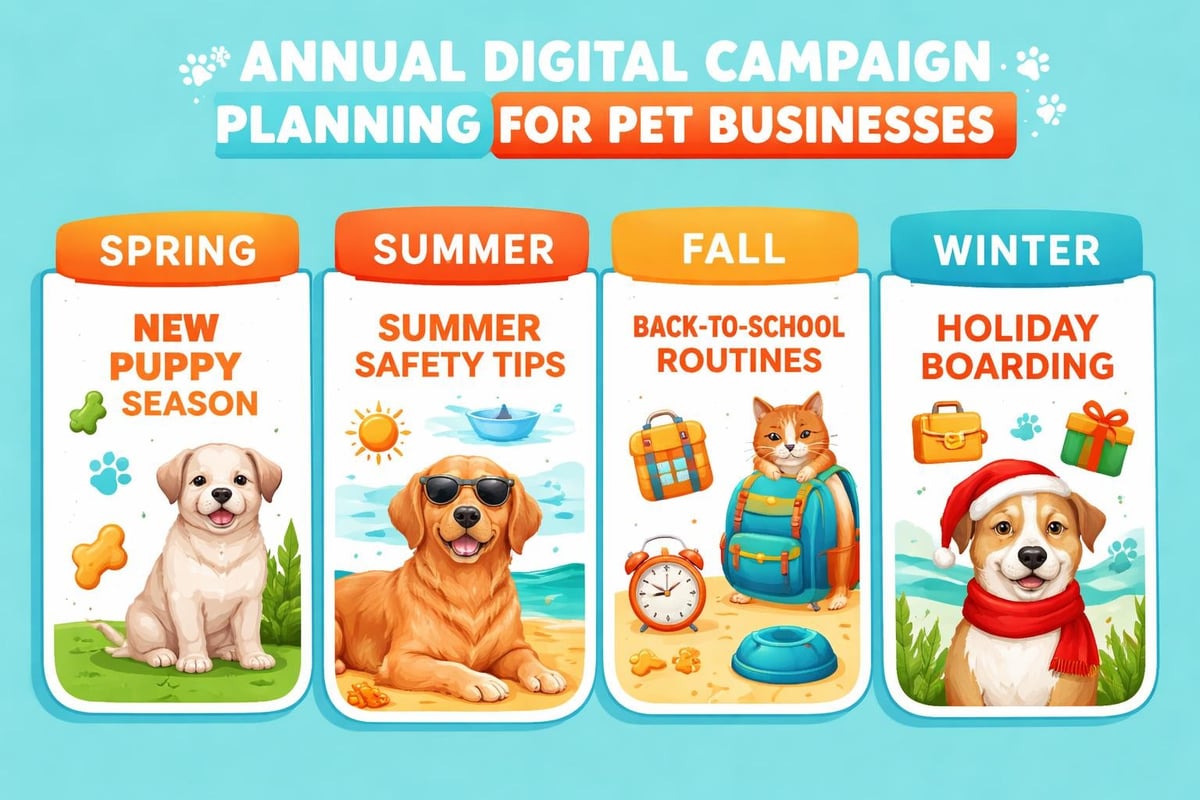
Planning campaigns around the pet ownership calendar maximizes relevance. Here's a sample schedule:
| Month | Campaign Focus | Target Audience |
|---|---|---|
| January | New Year fitness for pets | All pet owners |
| February | Valentine's photo shoot special | Pet parents who love spoiling pets |
| April | Spring wellness check-ups | Due for annual exams |
| July | Summer safety tips + cooling products | Owners of thick-coated breeds |
| September | Back-to-school pet routine adjustment | Families with children |
| November | Holiday boarding + stress management | Travelers and anxious pet owners |
Common Mistakes and How to Avoid Them
Even experienced marketers mess up campaigns sometimes. Here are the pitfalls I see pet businesses fall into most often:
Mistake 1: Trying to Do Everything at Once
You don't need to be on TikTok, Instagram, Facebook, Twitter, Pinterest, LinkedIn, and YouTube while also running Google ads, SEO, and email campaigns. That's a recipe for burnout and mediocre results everywhere.
Instead: Pick two or three channels where your ideal clients actually spend time. Do those really well. Expand only after you've mastered your core channels.
Mistake 2: Inconsistent Posting and Promotion
Posting once a week for a month, then disappearing for three weeks, then posting daily for five days doesn't build momentum. Consistency beats intensity every single time.
Instead: Create a realistic schedule you can maintain. Three quality posts per week that you stick to beats daily posting that you abandon after two weeks.
Mistake 3: All Promotion, No Value
If every post is "Book now!" or "Buy this!" people tune out fast. The best campaigns mix promotional content with genuinely helpful information.
The ratio that works: Follow the 80/20 rule. Eighty percent of your content should educate, entertain, or inspire. Twenty percent can be directly promotional.
Mistake 4: Ignoring Mobile Users
Over 70% of people browsing social media and searching for local businesses do so on their phones. If your website loads slowly on mobile or your booking process is clunky on a small screen, you're losing clients.
Instead: Test everything on your phone first. Can you easily read text? Do buttons work? Can someone book an appointment in under two minutes without frustration?
Mistake 5: Not Testing and Adjusting
Launching a campaign and letting it run without checking performance is like driving with your eyes closed. What you think will work often doesn't, and unexpected elements sometimes perform amazingly.
Instead: Check your metrics weekly. If an ad isn't performing after a week, pause it and try something different. If an email gets great open rates, analyze why and do more of that.
Making Digital Campaigns Work with Your Budget
You don't need thousands of dollars to run effective campaigns. You need strategy and consistency. Here's how to approach budgeting for different business sizes.
Small Budget ($200-500/month)
Focus on one paid channel plus organic content. Many pet businesses succeed with:
- Facebook/Instagram ads targeting a 5-10 mile radius around their location
- Weekly email newsletters to their existing client list
- Consistent organic social media posts (3-4 per week)
- Basic local SEO optimization
A cat boarding facility in Seattle spent $300 monthly on Facebook ads and dedicated five hours weekly to organic content. Within four months, they had a steady stream of new bookings without increasing their budget.
Medium Budget ($500-1500/month)
Add more channels and testing opportunities:
- Google Search ads for high-intent keywords
- Retargeting campaigns for website visitors
- Content marketing with blog posts and videos
- Email automation sequences
- More frequent and diverse social media content
Larger Budget ($1500+/month)
At this level, you can run comprehensive campaigns across multiple channels simultaneously. Consider working with pet marketing specialists who understand your industry's unique challenges and opportunities.
Integrating Campaigns with Your Overall Strategy
Individual campaigns work best when they're part of a bigger marketing picture. Think of each campaign as a chapter in your business's ongoing story, not a standalone event.
Your campaigns should support your larger business goals:
Building brand awareness: Educational content campaigns, community involvement, consistent presence across platforms
Generating leads: Special offers for new clients, downloadable resources, free consultations or assessments
Retaining clients: Email newsletters with helpful tips, loyalty program promotions, exclusive member benefits
Increasing transaction value: Bundled service promotions, product recommendations, premium service upgrades
A holistic approach means someone might first discover you through an educational Instagram post, later see a retargeting ad, receive your email newsletter after downloading a pet care guide, and finally book because of a seasonal promotion. Each campaign builds on the last.
Tools That Make Campaign Management Easier
You don't need fancy expensive software to run successful campaigns, but a few key tools make life significantly easier:
Essential tools:
- Email marketing platform: Mailchimp, Constant Contact, or ConvertKit for automated sequences
- Social media scheduler: Buffer, Later, or Hootsuite to plan posts in advance
- Analytics: Google Analytics to track website traffic and behavior
- Ad management: Facebook Ads Manager and Google Ads for paid campaigns
- Design: Canva for creating graphics without design experience
Nice-to-have tools:
- Customer relationship management (CRM): Keep track of client interactions and preferences
- Appointment booking software: Make it easy for clients to schedule online
- Review management: Monitor and respond to reviews across platforms
The right tools save time and help you maintain consistency, which is crucial for long-term campaign success.
Creating Content That Pet Owners Actually Want
Content is the fuel that powers digital campaigns. But not all content is created equal. Pet owners engage with content that's genuinely helpful, emotionally resonant, or entertaining.
High-performing content types for pet businesses:
- Problem-solving guides: "How to calm your anxious dog during thunderstorms"
- Myth-busting posts: "5 common pet care myths that could harm your cat"
- Customer success stories: Real transformations with photos and testimonials
- Seasonal tips: "Protecting your pet's paws during winter walks"
- Behind-the-scenes content: Your team, your facility, your process
- Trending topics: Respond to current pet-related news or viral moments
When creating campaign content, always ask: "Does this help my ideal client solve a problem or feel something?" If the answer is no, rework it.
Measuring Success Beyond the Numbers
While metrics matter enormously, some campaign wins don't show up in spreadsheets right away. Pay attention to:
- Clients mentioning they saw your recent posts or emails
- Quality of inquiries improving (more informed, better-fit clients)
- Other businesses wanting to partner with you
- Media or influencers reaching out
- Clients referring friends specifically because of your content
A dog training business noticed that after running an educational campaign about positive reinforcement methods, their consultation calls took half the time because prospects already understood their philosophy. The campaign didn't just generate leads; it pre-qualified them, making the sales process more efficient.
Adapting Campaigns Based on Performance
The most successful digital campaigns evolve. You launch with your best guess, gather data, and adjust based on what actually works. Looking at Adobe’s guide on best practices emphasizes this agile approach.
Weekly review questions:
- Which posts or ads are getting the most engagement?
- What's my cost per lead or customer?
- Are people completing the desired action (booking, buying, signing up)?
- Which messaging resonates most?
- Where are people dropping off in the process?
Monthly adjustments might include:
- Pausing underperforming ads and reallocating budget
- Creating more content similar to top performers
- Testing different offers or calls to action
- Adjusting targeting parameters
- Refining your ideal customer profile based on who actually converts
A pet photography business discovered that ads featuring senior dogs dramatically outperformed puppy photos, contrary to their assumptions. They pivoted their entire campaign messaging to focus on celebrating aging pets, which resonated deeply with their actual target market of long-time pet owners.
Working with Professionals vs. DIY
Many pet business owners wonder whether to handle digital campaigns themselves or hire help. The honest answer? It depends on your situation.
DIY makes sense when:
- You're just starting and budget is extremely tight
- You enjoy learning about marketing
- You have time to dedicate to learning and executing
- Your campaigns are relatively simple
- You're willing to make mistakes and learn from them
Professional help makes sense when:
- You're spending money on ads that aren't converting
- You don't have time to manage campaigns consistently
- You've plateaued and need fresh strategy
- You want to scale faster
- The learning curve is costing you more in lost opportunities than the investment in help
Many businesses start with DIY and bring in professionals as they grow. Others find that investing in expert guidance from the beginning accelerates results. A content marketing manager with pet industry experience can often achieve in weeks what might take months to figure out alone.
Digital campaigns transform how pet businesses connect with the clients who need them most, but success comes from consistent effort, strategic thinking, and genuine care for the pets and people you serve. If you're ready to create campaigns that actually fill your appointment book and grow your pet business, All Ears Digital specializes in helping pet businesses just like yours develop and execute marketing strategies that work. We understand the unique challenges of the pet industry and create campaigns that resonate with pet parents while driving real business results.